Tag: 2021

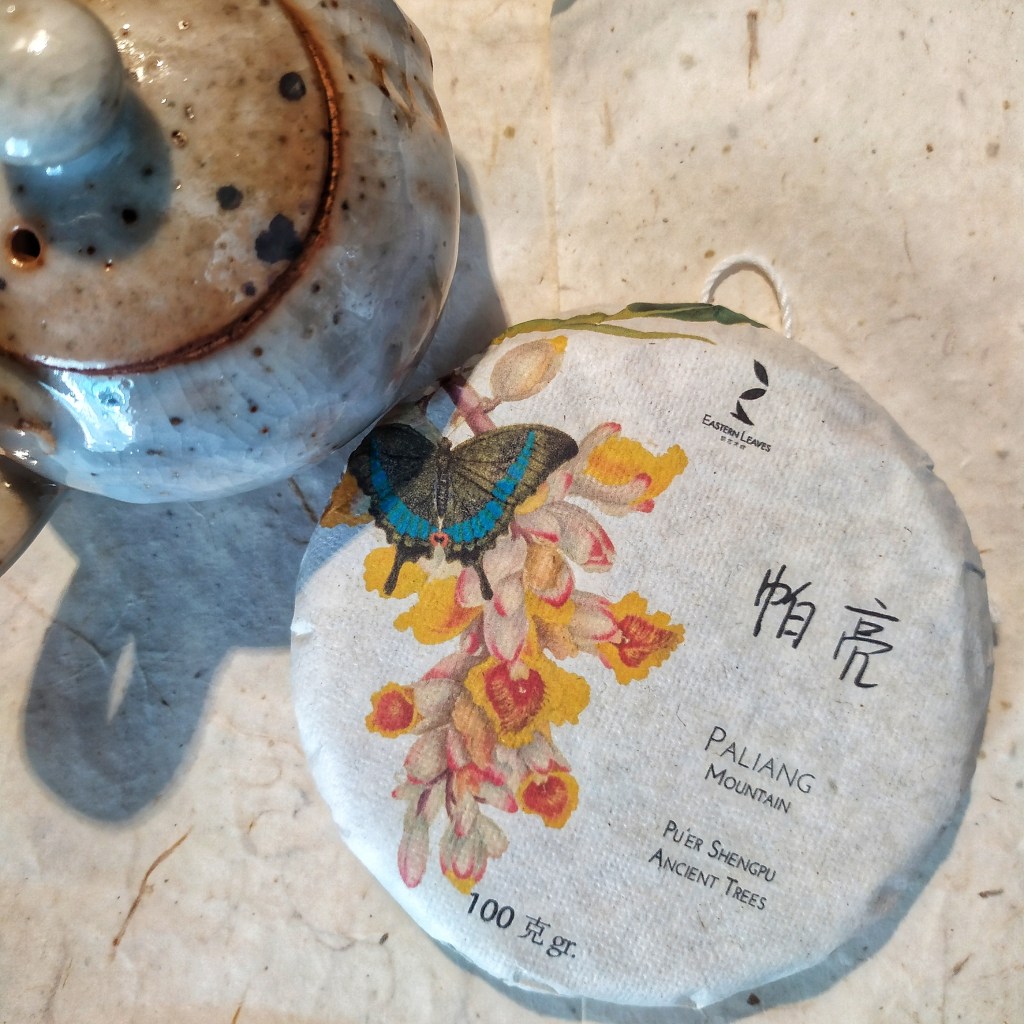
  • A forest out of this world, shaped by a Caravaggesque hand. This is Paliang

    A forest out of this world, shaped by a Caravaggesque hand. This is Paliang

    Passing the muddy paths close to Bulang, with those mountains behind you that seem to have been born from the virtuosity of a Caravaggesque hand, shaped by tectonic inclemency, by geological tension, the sun shines burning over the tropical karst sinkholes, a place where nature and men weave millenary relationships, meeting in the most inaccessible forest and in the architectural remains of the imperial era.

    The light filters through the dense forest, radiating the tea trees that look like illuminated actors in a naturalistic work twisted in lignified gestures, while the boys in the village load the trucks with cassava and laughter intones a background melody. Here stands the ancient village of Paliang, an out of this world place at about 1850 meters above sea level, surrounded by primitive works, where popular customs are preserved in their amnioticism.

    All this is defined by leaves that show in an objective elegance what is an empathetic initiation to Bulang teas. The infusions reveal a more restrained astringency, a character devoid of that fatherly austerity represented by the strong bitterness of some teas that are encountered a few tens of miles away.

    This sheng pu comes from material harvested in 2021 in Paliang. The scents of the leaves are like taking a look at an ancestral view, when wet they recall charcoal-cooked tropical fruit, the wild flowers bring back memories of an excursion on the bank of a wooded river, surrounded by deep forest moss, pervaded by the smell of wet rock. Almost primitive and mineral scents are accompanied by those of the juiciness of a basket of ripe fruit, there are notes of toasted dried fruit and slight hints of ancient leather.

    In the mouth it flaunts a smooth texture, it seems wrapped in silk drapes, the bitterness is contained although present, tempered by the soft and deep echoes of a sweetness resulting from the juiciness of a ripe peach. The sip recalls the sensations of a good Montrachet, the palate is soon refreshed by a peculiar minerality and eagerly seeking the next contact with the cup.
  • The Shangkang festival, the reconciliation of civilization, a nostalgic tea. Thoughts through a 2021 Wengji sheng pu from Moychay

    The Shangkang festival, the reconciliation of civilization, a nostalgic tea. Thoughts through a 2021 Wengji sheng pu from Moychay

    People gathered at the Shankang festival, their predecessors were honored, the offerings placed at the foot of a distant past in which every year the memory revived. It was an occasion to dance, to be involved in a moment when time seemed to stop, saturated with a sense that was difficult to translate into words, where society was reconciled and perfected, new relationships were woven and in the dance a harmonious idea of freedom and order was restored.

    The intense emanation of life was palpable also through the negatives of the photographs still hanging to dry, in those images you could see the dynamism of movements, conversations, aspirations, through that dance was reconstituted a kind of social consciousness, a “to be for others” even through the individualism, an assignment of virtue reflected in rhythmic and modal imposition, in traditional customs, in emphasized forms of courtesy, creating a link between distance and proximity, freedom and respect, confidence and discipline.

    In an age of collective utopias, among the mountain forests of Wengji flourishes instead the sense of dwelling, tea is evocative of a feeling of belonging, a vital civilization supported by the ability to live for its territory and its history alongside its neighbors, a loyalty to its land and the narration of its importance.

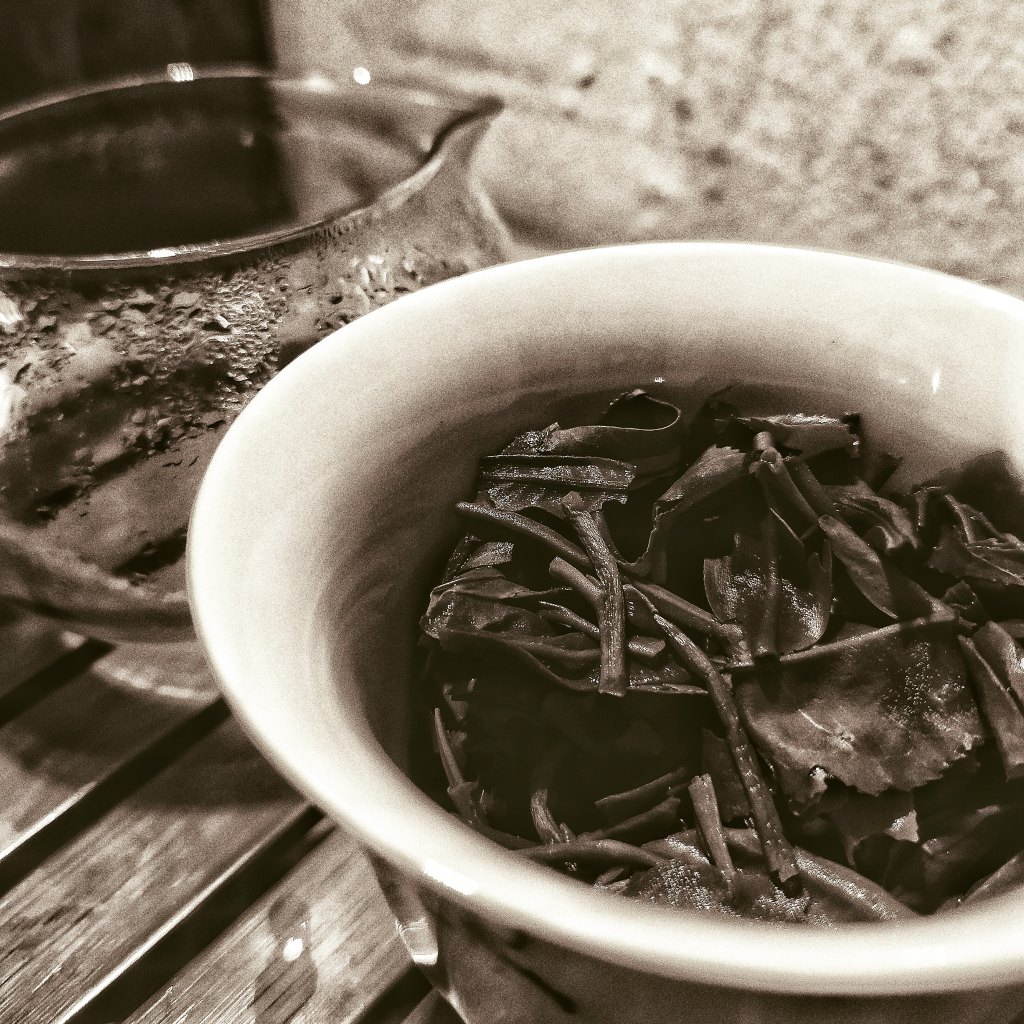
    In the gaiwan there is a 2021 Wengji sheng pu from Moychay, a complex tea where the typical character of Jingmai emerges in the notes of honey and flowers, orange peel, caramelized apricot, cooked strawberry and pandolce, with more primitive nuances in the background. The body is medium thick, the aromas direct and defined, the huigan emerges early after the advance of a archetypical and balanced bitterness.

  • Reaching the highest peak, where the air is more rarefied, where the silence of the place becomes a virtue. Tribute to Huazhuliangzi.

    Reaching the highest peak, where the air is more rarefied, where the silence of the place becomes a virtue. Tribute to Huazhuliangzi.

    To the northeast of Menghaizhen we follow the dirt roads that lead to the highest point, the peak of Banna, between the fog that seems palpable and the city behind us at every point the eyes find rest wherever you look. The old trees covered in moss and xylophagous saprophytes draw attention, among the rocky outcrops they look like lignified souls, guardians of a place that does not seem to have been disfigured by urban compulsion. Leaving Baotang and Luotang we continue in the direction of Bameng, towards the peaks of Huazhuliangzi, where the air is more rarefied, the silence of the place becomes a virtue as we cling to those slopes above 2000 meters.

    On the top the climate is cool, drama dissipates in front of a gaiwan, the smell is that of the surrounding vegetation while you exhale the steam of the kettle which pervades the room; tea welcomes as an implicit idea of manifestation of a greatness able to overcome the transience of events, it is the pride that relieved from the burden of living in a premeditated order when the civil conflict had just ended and the desire for reconstruction took refuge in time, the one necessary to the rain to bury a war that at its resolution allowed only that smell of oils and fuel of the first trucks.

    These mountains are the home of the Hani, Lahu and Han people, mainly settled in the areas of Baotang (Xinzhai and Laozhai), Benglong and Bamen. The tea trees here are mixed with wild bamboo and other native arboreal species, the tea varieties of Huazhuliangzi are the broadleaf typical of Menghai County.
    The Huazhuliangzi teas seem far from a prescriptible attitude, the unique character of these leaves welcomes in itself that sometimes antinomic but inescapably linked relationship between the contingent and the sacred, between sky and earth, between human science and nature.

    Easter Leaves Huazhuliangzi 2021 sheng pu masterfully exemplifies the character of this area, there is a mountainous and wild charm in it, a composed sweetness postpones an evident and brief astringent sensation that leaves the mouth in seconds, without stagnation, and the aftertaste it is incredibly persistent.

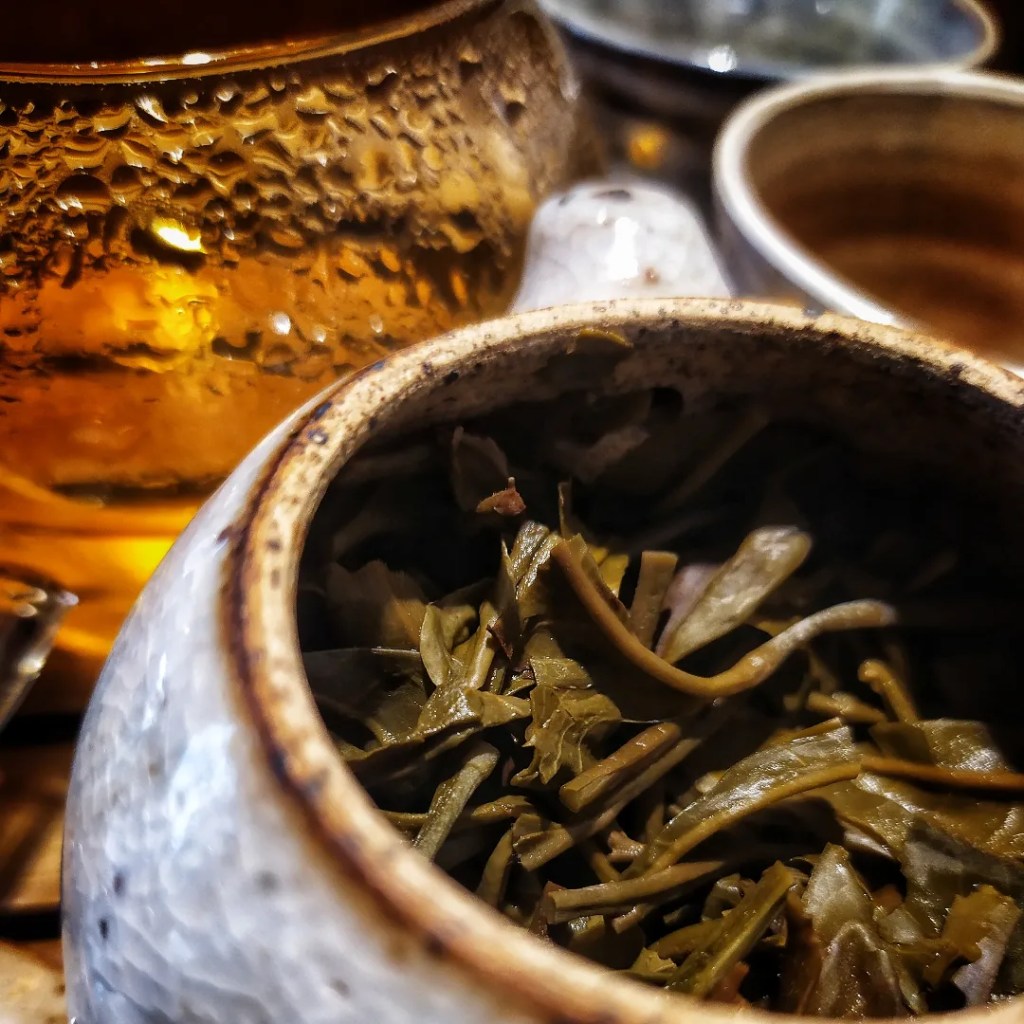
    he infused leaves recall notes of mango, ripe peach, aromas of melon and peach gums. The musky notes blend with the fruity sweetness recalling the Moscato passito, combining childhood recalls such as ramassin and rosehip.
    The sip flows easily along the throat refreshing the palate, the aromas are reminiscent of white melon, lemongrass and sorrel. The vegetal acidity seems almost chewable, animates the tea exalting an already complex experience, adorned with aromas of peach and white cherry, continuing incessantly in its silky and endless texture.