

We live in an era where you can potentially know everything about a tea, the garden it comes from, the grower, the exact location of the trees, but the tea market has not always been like this. Blends were so popular in the past that there were few single-origin teas before the 2000s.
Some of the greatest recipes to come out from the Dayi, Xiaguan and Rongshi factories or from the minds of pioneers like Ye Binghuai, Vesper Chan and Chen Huaiyuan who commissioned, produced or supervised them, were blends.
But what can elevate a blend and bring the art of blending back to the forefront of consideration? I believe that when the condition of need and economy is overcome, the blend can become expression and genius, a journey into the unexplored, a domain without potential rules, a disorder channeled into the eternal overcoming of all the contradictions that compose it. But this is on condition that the raw material is of such extraordinary quality as to support the greatness of the intention.
The blend is not a mere offspring of an uncoordinated material, it must be able to fuel the creation of other structures, of superstructures capable of capturing and interpreting the reality and the thoughts of those who create them, something also capable of escaping the premeditation and contingency of the possible and of making us forget those mixtures of leaves devoid of any persuasive power.
The lack of rules and the impossibility of serving the leaves and erecting them as a symbol of a place brings technique and thinking to the limit and, as in art, to experiment the extreme ease of failure but also to the configuration of unique potential, since the technique can be exalted only where it manages to experiment its most radical impotence.
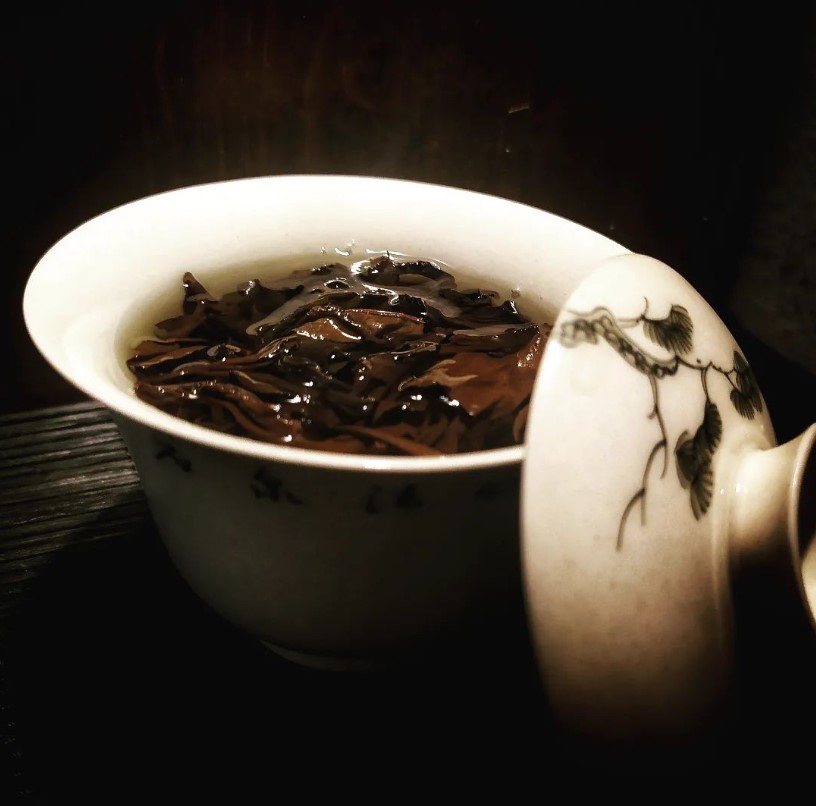
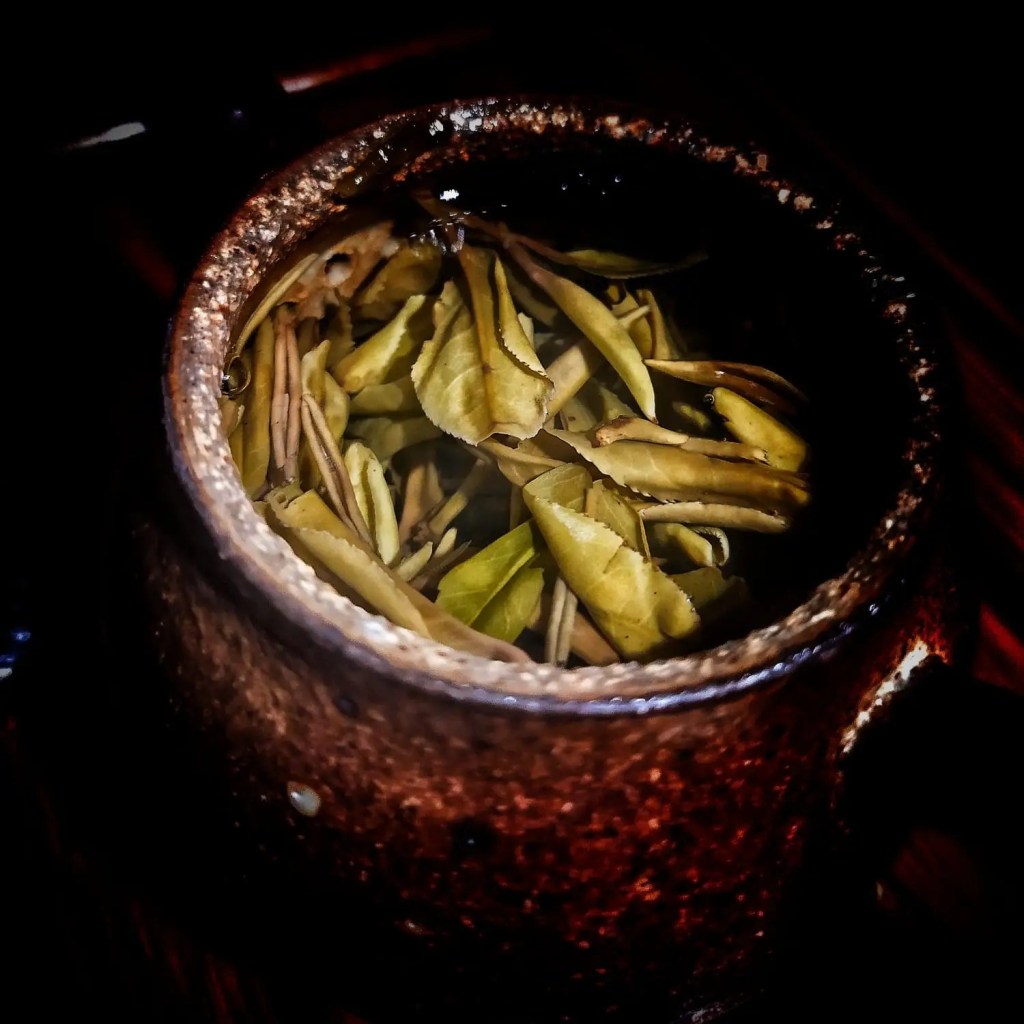
In this Melting Reality, a Moychay 2022 blend, you can find that unexplored, that quality of the first time, of that reality so accentuated and exaggerated that it seems unreal. Like a Blanes painting the drink is stratified on more rural and dark tones of leather and maritime forest which alternate with other sweeter and brighter ones of gooseberry, dried figs, candied fruit and orange blossom as in a delicate play of lights.
It is a liquor where the ephemeral and the real alternate, the light bitterness and medium softness integrate well with the good huigan and the hint of tamarind sauce that give bite and announce chaos in an incessant symphony of notes of candied cedar and honey, orange custard and cooked wheat.

 Wild Harvested