Tag: sheng

  • Viet Sun Giàng Pằng 1 Big Tree sheng pu’er spring 2024

    Viet Sun Giàng Pằng 1 Big Tree sheng pu’er spring 2024

    Giàng Pằng, it was the discovery of this village and its history, its culture and the ancestral nature of its landscapes that began what would be the focus of my attention for the last two years.

    If we were in other parts of the world people would be there taking photos, absorbed, writing farewell poems about the transience of some exotic flower and the ephemeral duration of youth, but here there are only people, real people bent over by fatigue, with their colorful bandanas, clinging to their tenacity and resilience.

    The streets are harsh, steep, the cinnamon bark is exposed to the sun, the tea is drying on bamboo mats, even the chickens think of the ephemerality of youth perched on wooden beams.

    Here where not even the setting sun seems to find rest, the old tea trees appear like lignified bodies in an archaic dance, in a land that loves no middle ground. The clouds and rains rage in a despotic manner while the fog calms down giving a conciliatory impression, each element is in a disorderly way part of an atavistic work, a fragment of the dawn of the ages.

    An anti-geometric vision where modernity barely finds space, where the succession of mountains in the distance creates its own rhythm in a primordial and perpetual order.

    This is where VN tea becomes great and it can only be like this, because like every other mountain where the gods have found refuge, great things do not happen on slopes that do not bring suffering.

    This Viet Sun teacomes from a batch processed by Steve, from a single big tree, in the spring of 2024, and is the juxtaposition between verticality and softness, between flesh, bone and soul.

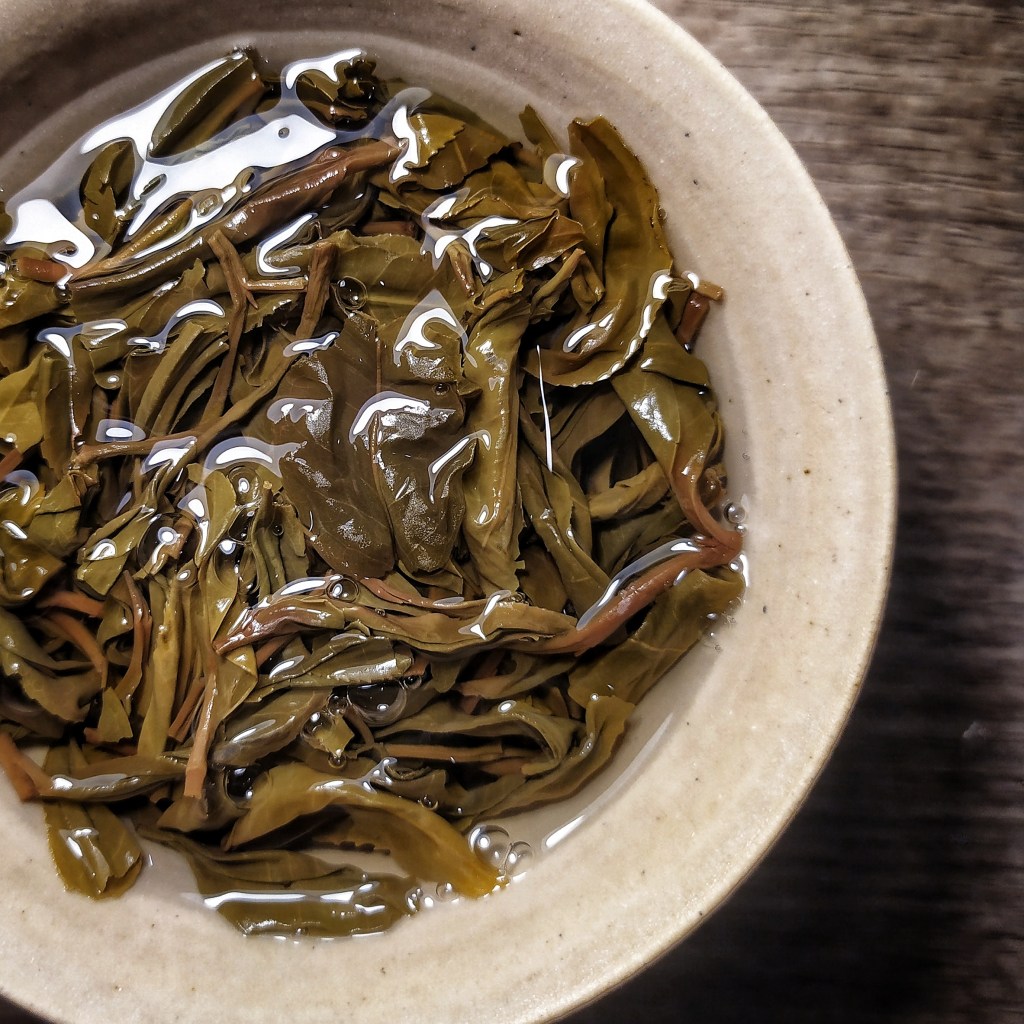
    The leaves are reminiscent of wild sour green plums, dehydrated longan with a slightly smoky streak, the aromas then focus on the undergrowth, apple wood and then give way to plum, aromatic herbs and light leathery nuances.


    The sip is sartorially silky, measuredly round, with light bitterness and light astringency that ends with an excellent huigan. The strong qi accompanies an aromatic playground that goes from green melon to persimmons, in a continuous evolution infusion after infusion until it fades into accords of plum jam and alpine flowers bouquet.

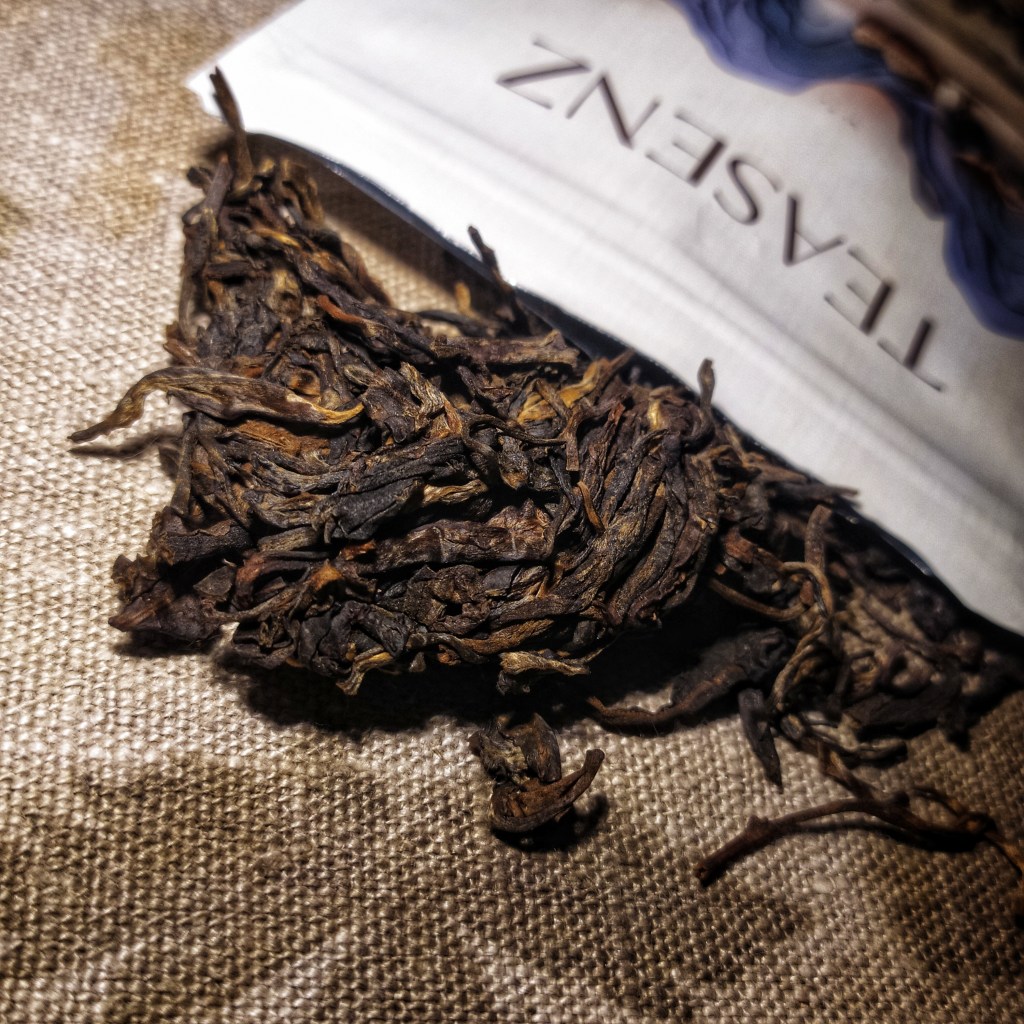
  • Unbound by fragrance – The tea of Ba Nuo through a 2022 teng tiao gushu

    Unbound by fragrance – The tea of Ba Nuo through a 2022 teng tiao gushu

    In recent years I have repeatedly had the pleasure of trying Ba Nuo teas, it is one of the places that perhaps more than others has taught me to free myself from the “aromatic” dimension of tea and to concentrate on the sip, on the tactile sensations, on the physicality of the brew.

    Ba Nuo is a village accessible via narrow, dirt roads, you can still see the old houses, some with sheet metal roofs, flanked by other newer and larger ones, the result of overbuilding and the rush to compulsive urbanism that followed the economic growth of the tea villages.
    Ba Nuo is located at 1900 meters above sea level, located on the eastern mountain range of Mengku, Dong Ban Shan, populated by around 300 families of the Han and Lahu ethnic groups, practically all of whom work in the tea industry. From the top you can see the villages on the western side, the Xi Ban Shan range, Dong Guo, Xiao Hu Sai, Da Hu Sai, Baka, as if immersed in a Bierstadt painting.

    The soils contain a good amount of clay and organic matter, are acidic or sub-acid, with no stones on the surface, but what is striking are the Teng Tiao, also called “vine trees”, which appear like bony and lignified hands dating back to soil, without other plants to counteract them. Pruning the lateral branches favors the apical dominance of the plant, which will develop very elongated branching and leaves placed only on the tips.

    Yang, a farmer from Ba Nuo, explained to me how it is not a natural way of cultivation, the land has been prepared, even weeded up to 15 years ago, the surrounding forest has been partly cut down to allow the tea trees to receive more light. Many trees were planted by the Lahu people as early as 300 years ago but the influence of the Han and modernization over time led to the development of this type of cultivation.

    Despite the altitude, the agronomic peculiarities, it is not a tea that impresses with its aromas, it is not a complacent palliative for the slaves of fragrance. It took me five months to revisit this tea, perhaps among the most misunderstood in Yunnan, but also one of the most particular.

    This Teasenz sheng was harvested in spring 2022 from teng tiao gushu, after being aged 7 months as maocha. I waited 5 months before trying it again, stored at 65% RH, slightly lower than what I store my teas at (68-69% RH).
    Timidly the leaves began to advance notes of orchid, dandelion root, wood and toasted cereals. The sip was soft, with aromas of honey, chrysanthemum, apricot, but where it really struck was the qi. It wasn’t a sip that simply came and went, but it came again and again, it continually returned after each infusion and continued even far from the cup, the huigan accentuated the honeyed sweetness even more, surrounded by a light minerality that made the sip every time more pleasant.

  • Memories of chatting about Mengsong and an old Bameng friend with a 2007 Teasenz gushu

    Memories of chatting about Mengsong and an old Bameng friend with a 2007 Teasenz gushu

    I don’t think there can be any tea, any time, any sip without the people who bring with them the truth of a territory. One of the first tea maker I met was from Bameng, he worked for a factory in Mengsong and was nicknamed 小毛虫 “little caterpillar”. This name was given to him by his parents, when he used to sneak out of the woven wooden basket to observe spiders and insects while his family clung to the ancient trees for the harvest.

    Every time he picked up those yellow caterpillars he went back towards his mother’s legs crying, with his face full of mud and his hands swollen from the stinging substance of the insect. He had an immoderate passion for those caterpillars and an even greater stubbornness.
    His family’s teas were special, with that disarming power right in the mouth, his laughter when talking about the times now spent in his village were even more energetic.

    His nickname also referred to the ability of those insects to transform, as well as the growth that his parents hoped for him. He incessantly emphasized how his village had changed, how the people of that place had changed and with them their landscape. We talked about how tea had been an alibi for both dreams and reality, a substance of conversion capable of overturning eras and conditions, of extracting from things its opposite.

    We sipped pu’er talking about how the tea inherited its alchemical nature, as a transmutative substance and as a creator ex nihilo. The noise of the forest and of the harvest would always be the backdrop to his life and tea would always accompany him until the end of the sunset, until the last dance of the chrysalises.

    This 2007 Mengsong Gushu by Teasenz reminds me of those chats, those powerful, intense and penetrating pu’er. The scent of wet leaves is reminiscent of leather boots, sundried plum, flambéed citrus peel together with the sensation of dried rose petals in the middle of an ancient book. Balsamic notes then appear, of turnips cooked over charcoal and in the background light nuances of an open tin of latakia tobacco placed on an old, slightly damp fir furniture.

    The sip is silky with a medium persistence and an excellent sweetness accompanied by a typical salty flavor that recalls a pleasant mineral sensation of rock. A good huigan is surrounded by notes of roots, rhododendron honey, rose hips, plum and leather, adorned with an orchestra of citrus notes, balsamic candy and light traces of cardamom.

  • A few words about Giàng Pằng, the village above the clouds, brewing a reviving 2023 spring sheng pu’er

    A few words about Giàng Pằng, the village above the clouds, brewing a reviving 2023 spring sheng pu’er

    You could hear the army advancing among the ancient tea trees, the march on the wet ground through those wooden body embraced by moss interrupted the solemn silence, the metallic noises of the pots and pans being brought along and that of the rifle shells dictated the rhythm of a macabre dance.
    The H’Mông children looked at the soldiers, seeing every last remnant of soul in their eyes, acts of tenderness could still be observed on those difficult paths where the yellow grass interrupted the recurring reddish texture of the soaked clay, and so on for kilometers up to Phình Hồ accompanied by the abiding humidity that penetrated the bones and the scent of cinnamon trees mixed with that of the grease of damp weapons, and finally to Giàng Pằng.

    This must be what Tô Hoài saw on his travels to Sùng Đô, Giàng Pằng, a village above the clouds whose houses at night, lit by fire, appeared to him like the fervent eyes of a young revolutionary woman, and when the fog vanished was like lifting the thin veil that covered her countenance.

    Surrounded around the fire, the crackling of the bonfires reverberates on the branches above, producing a melody consecrating images and sounds of another world; the gaze turned to the forest of those who produce tea here seems persuaded by the same lifeblood of the camellia, of those who, despite the suffering and pain of loss, manage to live the “here and now” of their being without anything else, those who manage, despite it all, to consist in the last act of present.

    Only in recent years the government tried to enhance this forest and the resilience and tenacity of its inhabitants, an attempt to return a product that is a reflection of the extraordinary uniqueness of its primordial topography and of its territory, rich in ancient tea trees and with an unimaginable potential.

    The leaves of this 2023 spring sheng pu’er are harvested in Giàng Pằng, Yên Bái province, at 1400 m altitude. It is a mountain tea whose aromas unfold creating an ascension itinerary to the summit, the wet leaves begin with notes of wild flowers and medlars, enveloped in the scents of a pot in which peach jam is cooking. The interesting complexity develops in a crescendo of fermentative notes and macerated plum, tomato sauce and a bouquet of aromatic herbs accompanied by typical bread-making scents.
    The sip has a medium thickness, is vibrant, fresh and surprisingly sweet, with low bitterness and astringency, adorned with a pleasant floral component and supported by a good huigan and a slight tang of wild berries.

  • Finesse as redemption for Fengqing pu’er. Xiangzhuqing gushu sheng pu 2019 by Li Yu Lu

    Finesse as redemption for Fengqing pu’er. Xiangzhuqing gushu sheng pu 2019 by Li Yu Lu

    Hiking in Fengqing it is impossible not to arrive at what is perhaps the oldest tea tree in the world after drinking liters of that Fengqing 58 which is served in every single restaurant in the prefecture. But climbing higher up, towards 2000 meters beyond the taidicha and rice fields that continue northwards, near the villages of Chajia and Hedicun, you arrive at Xiangzhuqing, a small village at the foot of the peak with a fair amount of ancient trees around the village.

    The air is cleaner, more humid, the heat stops in the Fengqing lowland and the rains fall timidly on the light sandy-ferrous soils of the mountain.
    The extensive drainage, the scarcity of nutrients towards the surface layer creates a clear distinction with Mengku trees, environment and in the concentration of biocomponents in tea leaves.

    Although it is assumed to be the same variety, Xiangzhuqing pu’er are lighter, floral and with almost no astringency and bitterness. They essentially seem like the less hypochondriac counterpart of some Yiwu teas on the Gaoshan side.

    Encountering this 2019 gushu sheng from Mr. Li Yu Lu is a direct response to the arrhythmic advancement of Fengqing pu’er onto the market; fine, delicate teas that showcase Lincang in a new, renewed light.

    The wet leaves seem to revive memories of a hot summer, with notes of persimmon, papaya, orange peel, in which balsamic tones and nuances of peach toffee candy, green melon, hay and dried apple alternate composedly. They are counterbalanced by floral hints of osmanthus, elderberry and scents of a walk in a freshly mown lavender field. More sharp fragrances emerge later such as rubber tree, juniper and black pepper.

    The sip is at times monotonous but enlivened by a pleasant mineral verve, it is sugary, medium-bodied with a typical absence of astringency and bitterness, ending on juicy aromas of persimmon, mango jam and elderberry.

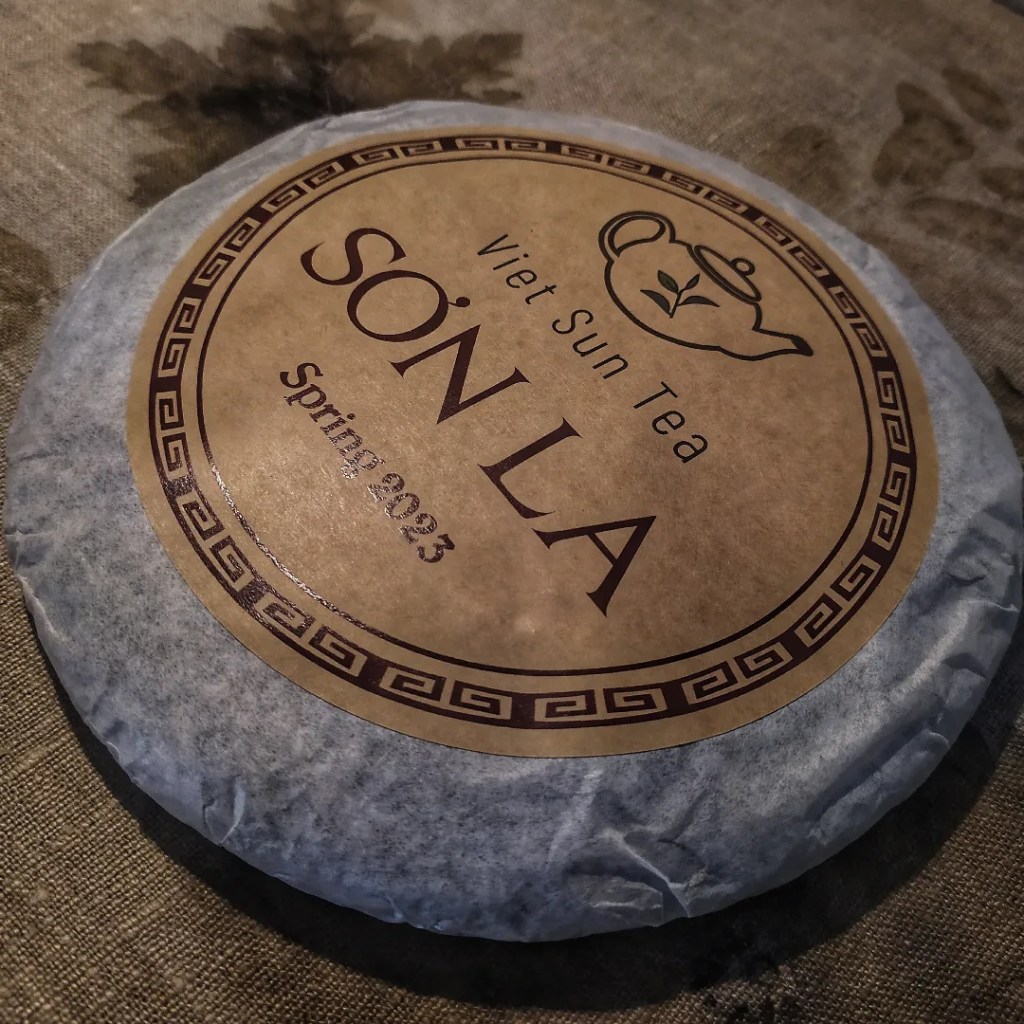
  • Another great sheng pu from Vietnam. Viet Sun Sơn La 2023

    Another great sheng pu from Vietnam. Viet Sun Sơn La 2023

    When you drink teas like those of Sơn La you are pervaded by a sense of satisfaction and touched by a contemplative streak, they are acrobatic teas capable of pushing themselves to the limit with a strong personality while maintaining balance and harmony, like a painting in which all the lines of force resolve into their own whole.

    This tea comes from Bắc Yên, a place characterized by a complex mountainous terrain at 1800-1900 m inhabited mainly by H’Mong ethniciy, in the province of Sơn La, a wild paradise full of travellers, but who instead of wandering on foot as composedly as in a painting by Camille Pissarro, they jolt disorderly on 4×4 trucks and scooters towards the summit.

    One evening, in a Vietnamese grocery shop on the way home, I heard the name Sơn La for the first time. An elderly lady slipped a sticky rice cake, the Bánh giầy, translucent and fragrant, from her experienced and elegant hands. She removed it from the banana leaf to put it on the charcoal, then took a jar containing some fermented apples. It was a vinegar made with water, sugar and táo mèo from the previous year (cat apple or Docynia indica, a typical fruit of these areas), letting herself go back to childhood memories, of springs now gone, spent in the white shadow of the Quả táo mèo in bloom, betraying a bit of emotion visible in the glimmers of her thick silvery hair.

    That slight scent of embers, that wok hei can be found in the wet tea leaves, tamed by notes of green meadow, rosehip and white peach. During the infusions, notes of poached pear and kumquat, elusive scent of grapefruit peel and green pepper are revealed with a sweet nuance of canned sugar.

    The sip is unique, archetypal, enveloping and enlivened by a dynamism that alternates vibrant acidity with sweetness, a moderate bitterness of bergamot with a rocky minerality. The liqueur develops in its complexity on lingering aroma of white peach and accompanied by fragrances of jasmine, persimmon and subtle notes of serpillo.

    It is already an extremely enjoyable sheng but I am sure that with the embrace of time it will guarantee memorable and contemplative sessions.

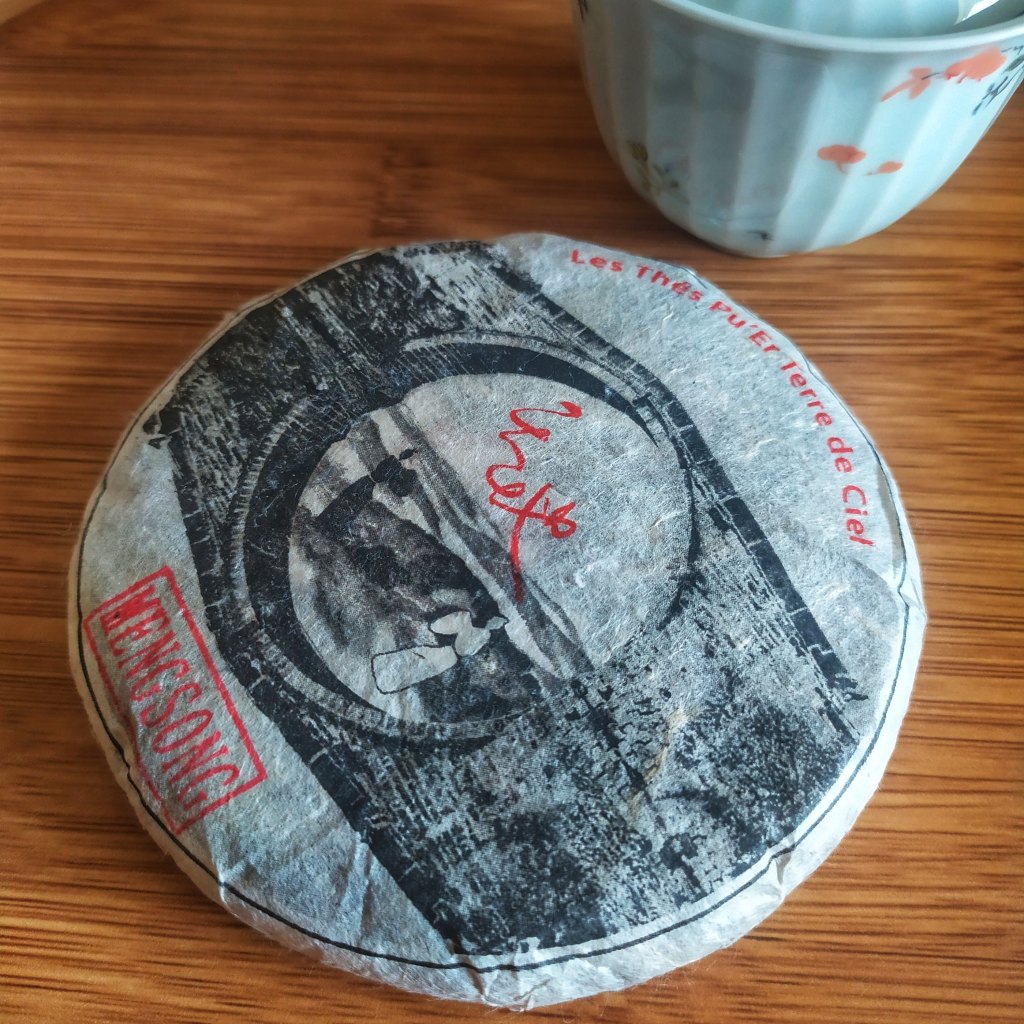
  • A cup that smells like an orchard next to a creek. TTdC Sanmai 2013 sheng pu from hundred-year-old trees

    A cup that smells like an orchard next to a creek. TTdC Sanmai 2013 sheng pu from hundred-year-old trees

    The sheng pu of Thès Terre de Ciel is the reflection of an extraordinary terroir such as that of Sanmai, a village that follows the limelight of Mengsong teas, preserving its pure fruity appearance and sugary touch and at the same time sheltered from oracular exaltation and censorship which brought many teas from these areas at now crazy prices.

    Sanmai pu’er are nostalgic stimulants, a perpetual conversation with the hippocampus like opening an album of memories on your lap. This 2013, from old trees at 1600 meters above sea level, has the traits of someone who brings with him the first charms of the time while retaining that enlivening and exuberant youthful verve.

    The color of the liqueur is amber, the hints of the wet leaves echo peach jelly, dried plums, yellow rock sugar and custard cream. Its olfactory fervor is an unfolding of different layers of complexity, a swing of evolved notes and other more naive and fresh ones.
    The spectrum then turns to naturalism, with olfactory memories of pickled bamboo, of mountain flowers up to the progression of reminiscence first of undergrowth, then minerals and iodines, like an orchard next to a creek, enjoying dried tropical fruit and Moroccan biscuits.

    The aromatic approach in the mouth is that of a good, true pu’er, without excesses of fame or rhetoric. On the palate it is sweet and accommodating, with a practically absent bitterness and astringency. The sip is enveloping, of medium thickness, the sweetness of dark sugar and peach cream is integrated and it speeds it up, the note of pomelo zest is subservient to a set of bakery ad fruity aromas that recall a fruit tart. Excellent persistence of a finish with a fascinating floral and wild apple weaving.

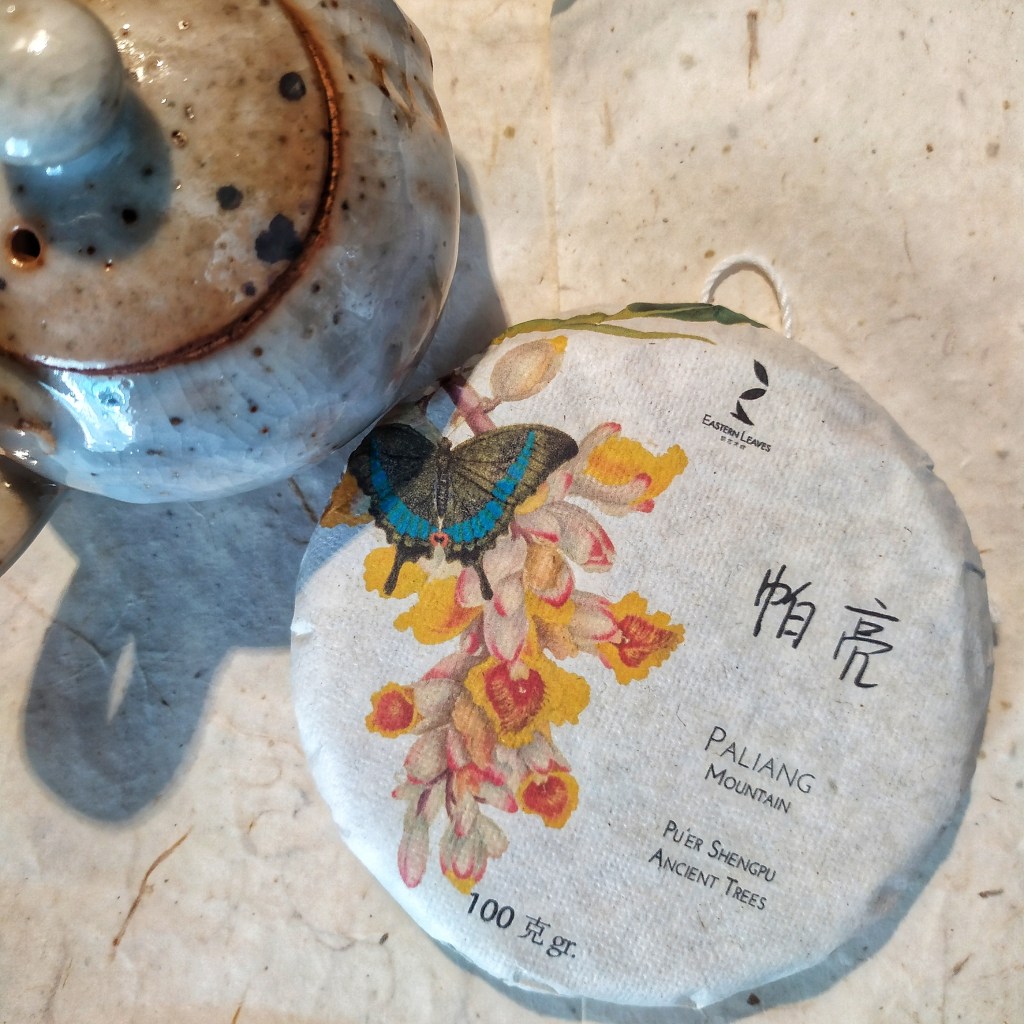
  • A forest out of this world, shaped by a Caravaggesque hand. This is Paliang

    A forest out of this world, shaped by a Caravaggesque hand. This is Paliang

    Passing the muddy paths close to Bulang, with those mountains behind you that seem to have been born from the virtuosity of a Caravaggesque hand, shaped by tectonic inclemency, by geological tension, the sun shines burning over the tropical karst sinkholes, a place where nature and men weave millenary relationships, meeting in the most inaccessible forest and in the architectural remains of the imperial era.

    The light filters through the dense forest, radiating the tea trees that look like illuminated actors in a naturalistic work twisted in lignified gestures, while the boys in the village load the trucks with cassava and laughter intones a background melody. Here stands the ancient village of Paliang, an out of this world place at about 1850 meters above sea level, surrounded by primitive works, where popular customs are preserved in their amnioticism.

    All this is defined by leaves that show in an objective elegance what is an empathetic initiation to Bulang teas. The infusions reveal a more restrained astringency, a character devoid of that fatherly austerity represented by the strong bitterness of some teas that are encountered a few tens of miles away.

    This sheng pu comes from material harvested in 2021 in Paliang. The scents of the leaves are like taking a look at an ancestral view, when wet they recall charcoal-cooked tropical fruit, the wild flowers bring back memories of an excursion on the bank of a wooded river, surrounded by deep forest moss, pervaded by the smell of wet rock. Almost primitive and mineral scents are accompanied by those of the juiciness of a basket of ripe fruit, there are notes of toasted dried fruit and slight hints of ancient leather.

    In the mouth it flaunts a smooth texture, it seems wrapped in silk drapes, the bitterness is contained although present, tempered by the soft and deep echoes of a sweetness resulting from the juiciness of a ripe peach. The sip recalls the sensations of a good Montrachet, the palate is soon refreshed by a peculiar minerality and eagerly seeking the next contact with the cup.

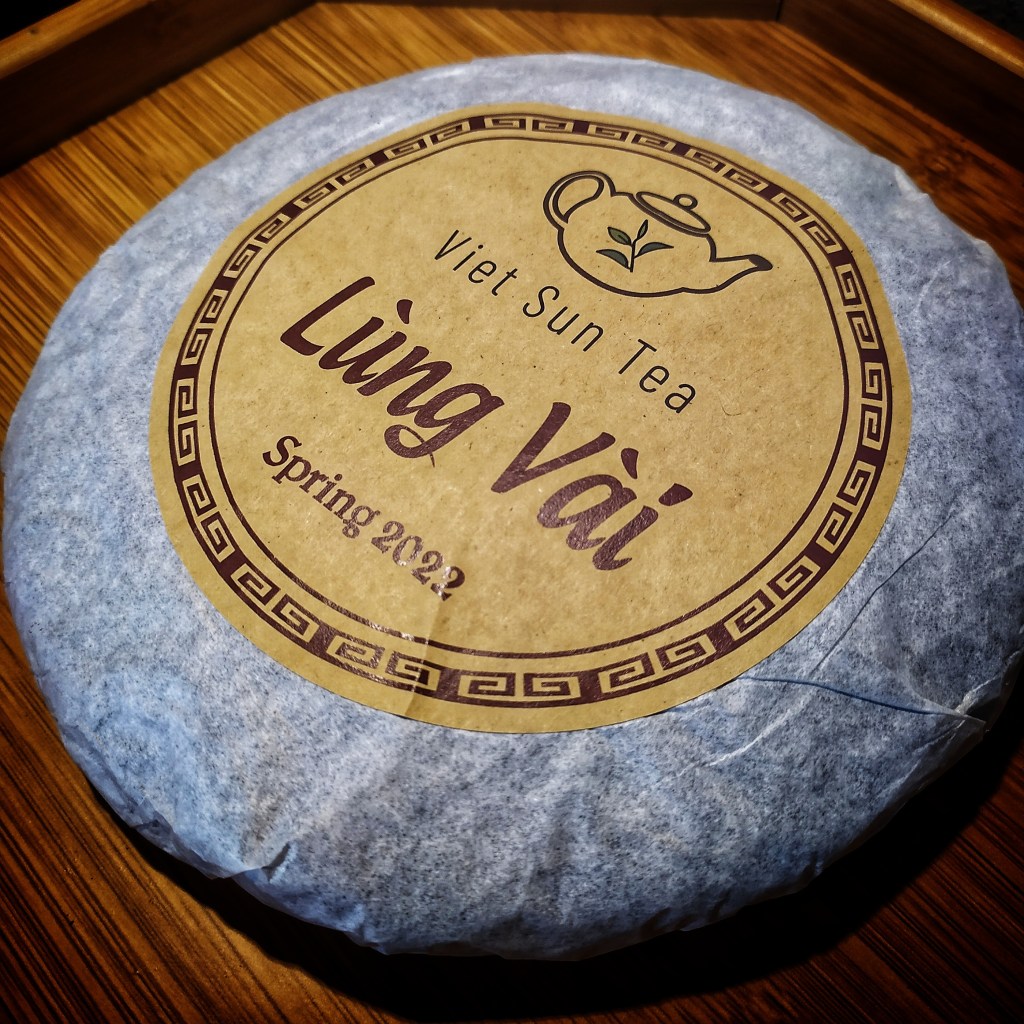
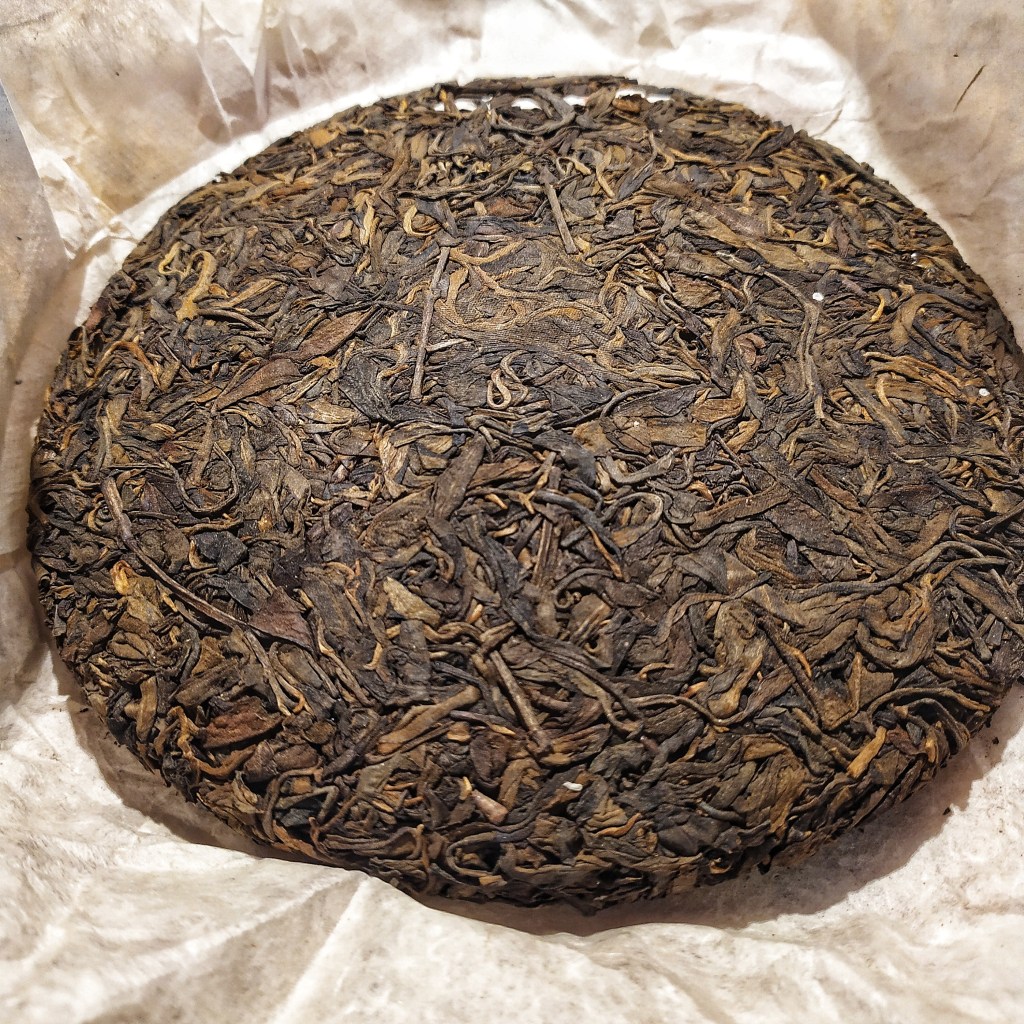
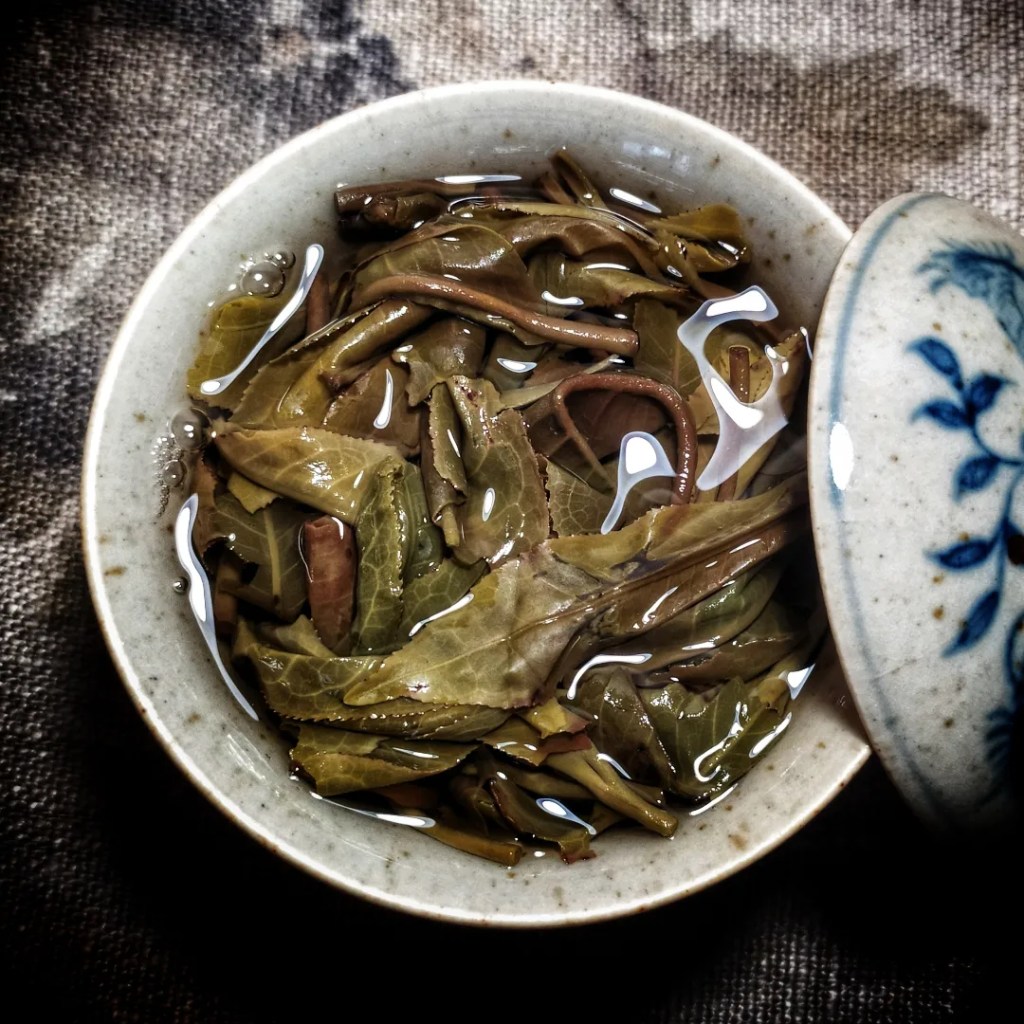
  • A visceral bond with time that has never been broken and a history that has never been betrayed. Journey to Lùng Vài through this Viet Sun 2022 sheng pu’erh

    A visceral bond with time that has never been broken and a history that has never been betrayed. Journey to Lùng Vài through this Viet Sun 2022 sheng pu’erh

    The rain poured down, the people in the highland villages returned home after working in the fields all day, the light fades as people’s voices approach, dispersing the fatigue of the harvest in their song. The forests stand between the terraced fields like polychromatic marvels, the mountain farmers appear like artists when their work creates such harmonious beauty, one that would have enraptured Holderlin and which he would have described as an art inspired by that original mutual belonging between sky and earth.

    As the sunlight disperses the mist, the fields fill with water like sparkling mirrors reflecting the sun and clouds. A now dim light filters through the palm roofs, the rural architecture seems aged and embraced by moss, but still firm and representative of times gone by. One can see an ancient splendor that is renewed with every glance at it, imagining a visceral bond with time that has never been broken and a history that has never been betrayed.

    This Viet Sun Lùng Vài tea, like the architecture in this area, bears witness to the events, they are beyond the present, not as a relic of the post-history but as narrating entities surviving in the subsistence of their descendants.

    This is a sheng from an extremely interesting and characteristic terroir, located on the eastern side of Tây Côn Lĩnh mountain, Hà Giang province, from ancient tea trees. The dried leaves have an intensely floral scent, once wet they show an evocative and complex character made up of citrus tones, charcoal-cooked fruit, fragrances of dried mango, pear soaked in white wine, candied orange and apple custard. The sip is both juicy and vibrant, refreshing, wisely balanced and medium-bodied, with an initial and subtle bitterness.

    A good huigan accommodates aromas that recall lemon cream, citrus honey, flambéed fruits on a background of alpine herbs; notes of orange peel and carrot plumcake conclude a dynamic and intensely meaningful session.

  • An emotional tea along Xiangling Highway. Mr Quen Cun An and his early 2000’s Manzhuan pu’er

    An emotional tea along Xiangling Highway. Mr Quen Cun An and his early 2000’s Manzhuan pu’er

    Along the Xianglun Highway, the entrances to the forest alternate with those of the taidicha, a single main road connects the village of Manzhuang to that of Manlin. The primeval essence of the tropical forest can be seen from the few patches of bare earth left; the age, mineralogy and extensive leaching of acrisol, which have led to low levels of plant nutrients, counteract the silt-clay undertones of the iron- and aluminum-rich ferrarsol in which the camellia has found its home.

    In the teahouses you drink the liquid consequence of a territory and its time, of a history of sacrifices and the search for the truest self-assertion. They become a place to find a family, a group or a simple shelter where one can abstract oneself from taxes or from any contradiction of contingencies, where every soul, even if tacit, does not wander alone, but together with other worn out and thirsty souls.

    Mr. Quen’s Manzhuan sheng pu’er expresses the charm of the lived, it is the example of those teas that seem to simplify what is most hidden and arcane and complicate what is simpler, making a set of organoleptic notes a complex symphony and a vivid image.

    The liqueur has a reddish color with orange reflections, reminiscent of the nuances of a tawny port. The scents of the wet leaves enriched with jinhua bring back memories of raw and primitive landscapes as Bruegel the Elder would have imagined them, with notes of damp earth, dried mushrooms, undergrowth, leading to a wood cabin under the rain, with the smell of aged mahogany, old books and a bouquet of faded flowers. Light balsamic tones take over in the background, together with those of burnt wood, laurel, dried plums, piloto tobacco, black pepper and dried longan.

    The gloomy evening atmosphere becomes more vivid with the appearance of notes of leather, cognac and typical hints of aging in oak barrels.
    The body is medium thick, the sip has notes of walnut, dried plums and aromatic herbs which are the prelude to the nuances of leather, old wood, cinchona, dried citrus peel and filter coffee.

    It is a sheng of great balance and sensory complexity, the bitterness is now perfectly integrated and not very perceptible as is the astringency, excellent huigan and remarkable persistence.
    Material from Ba Zhong Zhai village, Manzhuan area, family garden of Quen Cun An.