
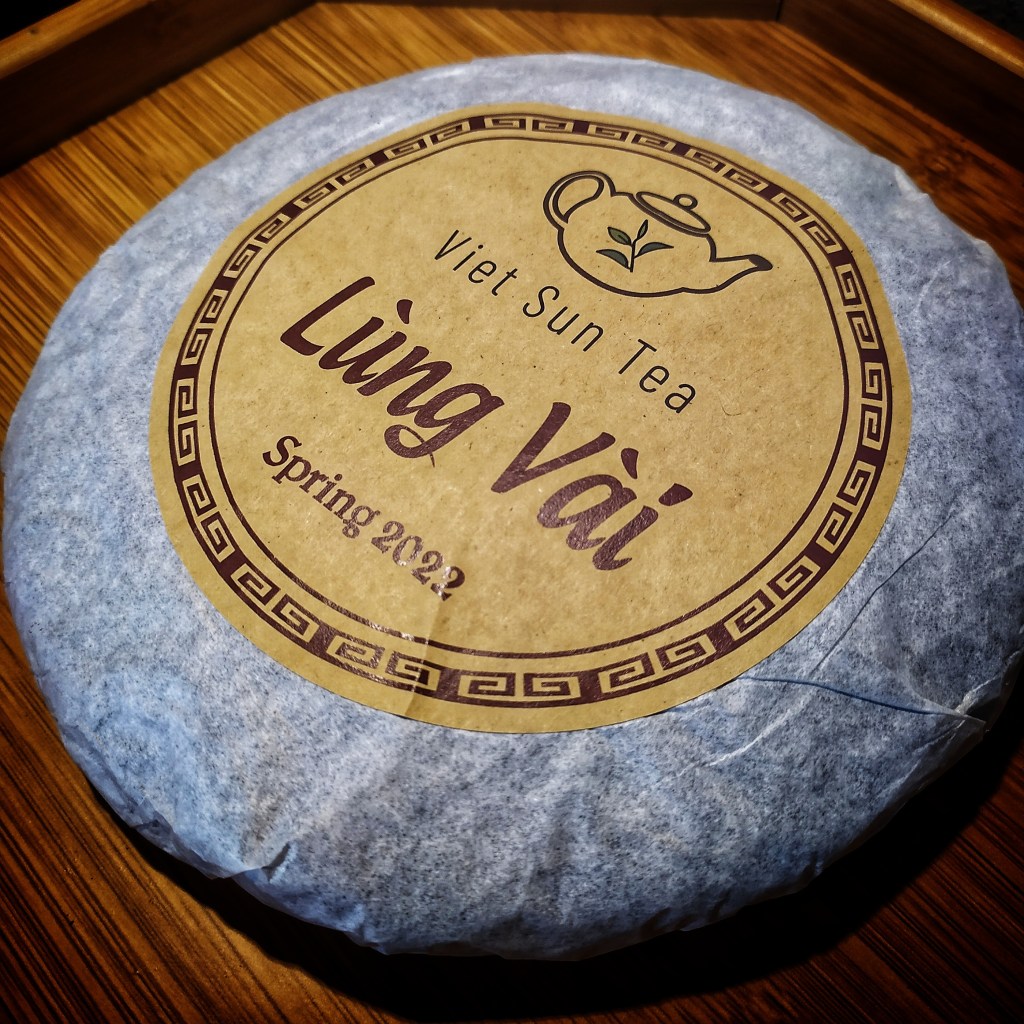
The rain poured down, the people in the highland villages returned home after working in the fields all day, the light fades as people’s voices approach, dispersing the fatigue of the harvest in their song. The forests stand between the terraced fields like polychromatic marvels, the mountain farmers appear like artists when their work creates such harmonious beauty, one that would have enraptured Holderlin and which he would have described as an art inspired by that original mutual belonging between sky and earth.
As the sunlight disperses the mist, the fields fill with water like sparkling mirrors reflecting the sun and clouds. A now dim light filters through the palm roofs, the rural architecture seems aged and embraced by moss, but still firm and representative of times gone by. One can see an ancient splendor that is renewed with every glance at it, imagining a visceral bond with time that has never been broken and a history that has never been betrayed.
This Viet Sun Lùng Vài tea, like the architecture in this area, bears witness to the events, they are beyond the present, not as a relic of the post-history but as narrating entities surviving in the subsistence of their descendants.
This is a sheng from an extremely interesting and characteristic terroir, located on the eastern side of Tây Côn Lĩnh mountain, Hà Giang province, from ancient tea trees. The dried leaves have an intensely floral scent, once wet they show an evocative and complex character made up of citrus tones, charcoal-cooked fruit, fragrances of dried mango, pear soaked in white wine, candied orange and apple custard. The sip is both juicy and vibrant, refreshing, wisely balanced and medium-bodied, with an initial and subtle bitterness.
A good huigan accommodates aromas that recall lemon cream, citrus honey, flambéed fruits on a background of alpine herbs; notes of orange peel and carrot plumcake conclude a dynamic and intensely meaningful session.
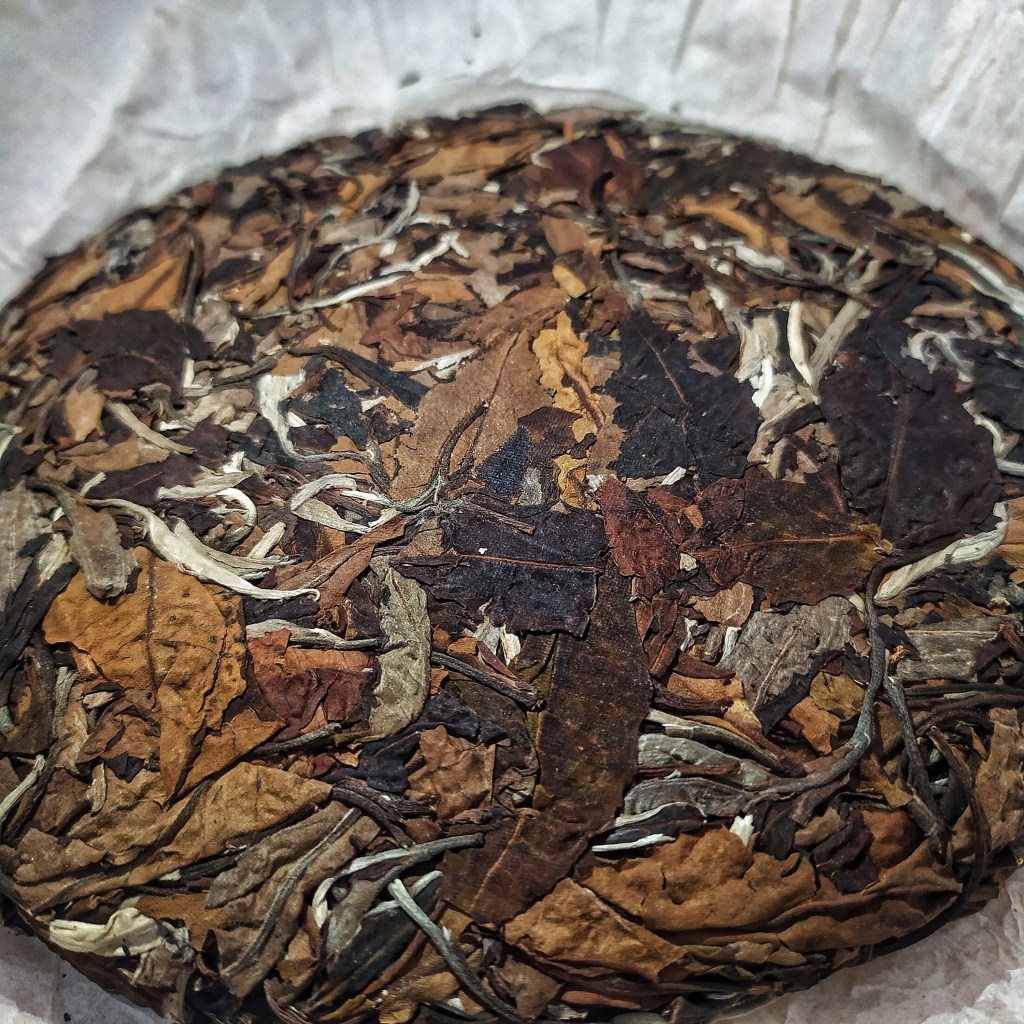
 Wild Harvested