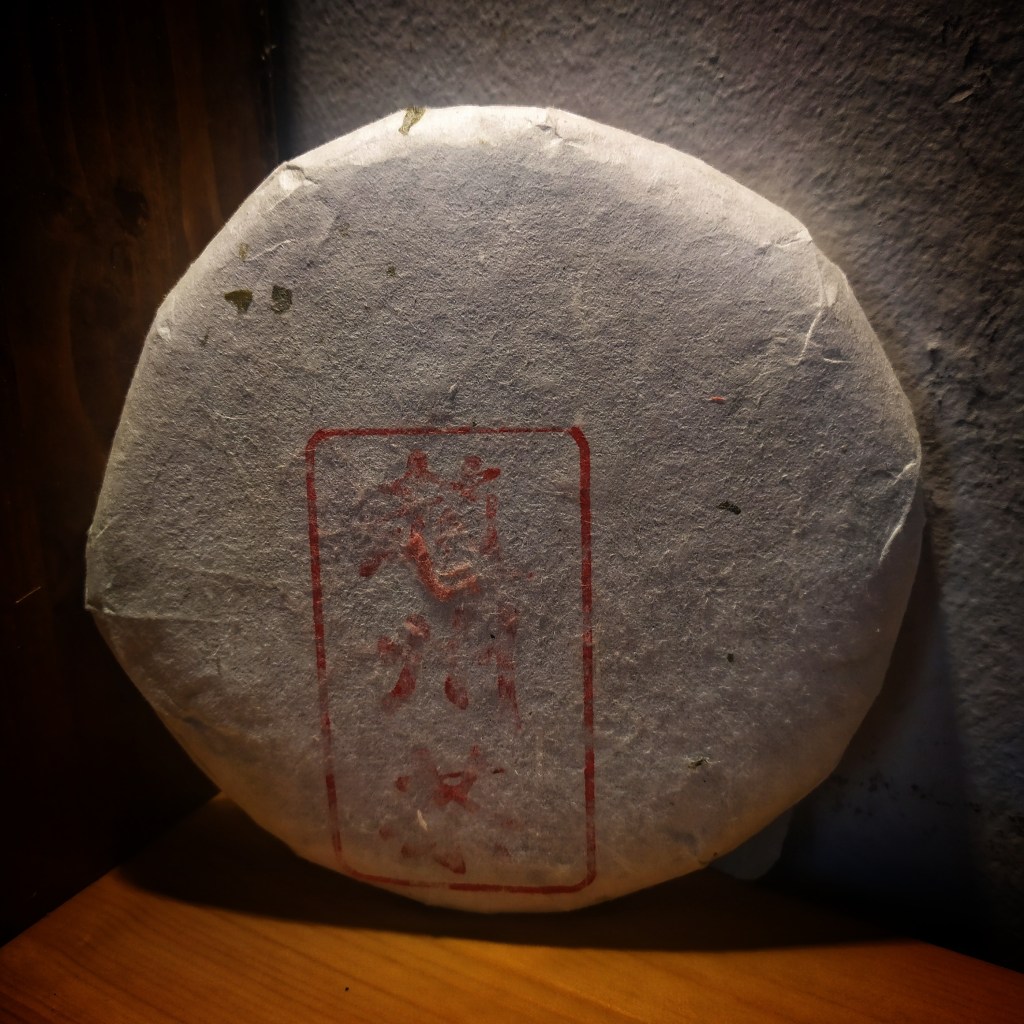
Tag: yongde

  • The primordial essence of Da Xue Shan in YongDe County

    The primordial essence of Da Xue Shan in YongDe County

    he subtropical scenery of the Nanting River, from the foot of the mountain to the northern view of the main peak, seems to capture all the splendor of the world. Daxue rises to over 3,400 meters, opposite the other peak of the Nu mountain range, Xiaoxueshan.

    Karst severity alternates with the chromatism of the tropical forest of broad-leaved trees, water and land, peaks and plains create an antithetical contrast. It is said that a mountain has 4 seasons but thousands of different skies, and in Daxue there is nothing more true.
    Primordial colourism is the home of the black crested gibbon, the beauty and brilliance of wild flowers interrupts the immensity of the mountain, the Wanzhangyan waterfall seems suspended, as if it fell from the sky.

    Some families of the valley floor who do not work in large cities graze animals, while others work in small laboratories that produce Mangtuan paper, a tissue paper with a history of over 600 years made by hand from a bark called Maisha in the Dai language, for centuries used to transcribe Buddhist scriptures, books and packaging. Still others are dedicated to the collection of tea leaves and of the rare fruit varieties of the county such as Xiaomengtong pears, Mengdi litchi, Minglang papayas and Yongkang mango.

    The tea of Daxue, like its places, is addressed to the taster as a sincere lyric does with its auditorium, the distilled essence of a place is poured into our body giving it back its life while sweetness refluxes like childhood memories. His tea has quenched the thirst of poets and workers, revives memories of distant and primitive places as well as those of a work of art on a ceramic.

    Tea like those of Da Xue Shan are invested with a symbolic charge like few others, labaro of radical changes and that rise and fall from one existential plan to another that nothing is but the path of a rational being. Tea appropriates human nuances and analogies without resorting to forced anthropomorphism, it is imbued with a meaning that we ourselves put on it, it represents a momentary suspension where the ego meets in the cup its reflection.
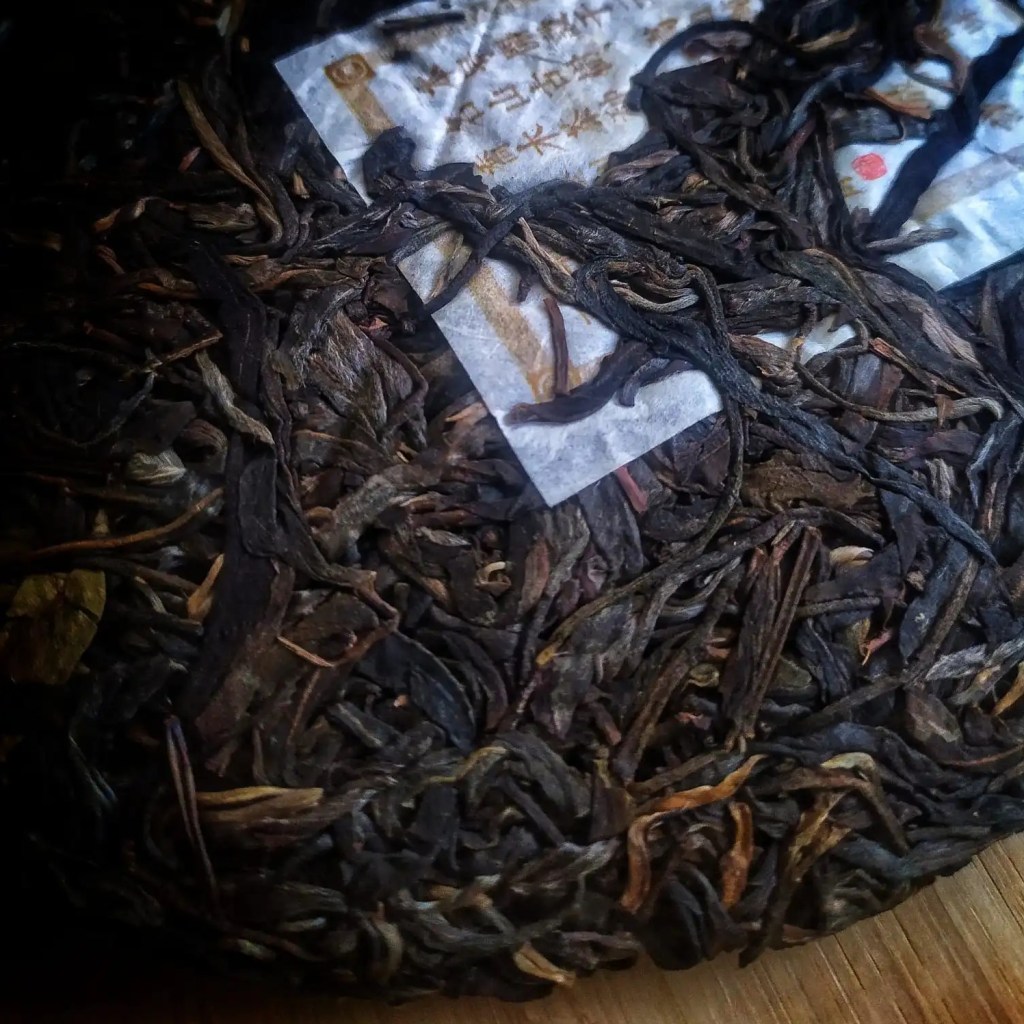
  • Cai Mao Xing Jie tea factory Mang Fei sheng pu’er 2017

    Cai Mao Xing Jie tea factory Mang Fei sheng pu’er 2017

    Yongde county is a mountainous area, rich in forests, where nature seems to have had free will for most of the centuries, slopes and ancient trees surround Mangfeicun protecting it in a landscape and cultural amnioticism. In Yongde county alone there are at least 22 ethnic minorities, many of which are involved in harvesting, curing and processing tea. From the slopes it is possible to see the syncopated, wildly forested scenery that continues to Zhenkang county where history is intertwined with it.
    Mangfei’s post-modern puer shows sweeter and more graceful traits, even if the aromatic profile is green and oxidation kept under control, the sip, except in some vintages, is characterized by a greater pleasantness already in the early years, by ease of drinking , elegance and vegetal notes that hardly show that austerity of some young raw Mengku, but rather similar to the thick sip and creamy hints of Xigui puer, albeit with due exceptions.


    This 2017 sheng pu is produced by Cai Mao Xing Jie tea factory, probably dry stored; the straw-gold color of the liqueur is typical of the puer of Mangfei area, in which hints of camphor are revealed in the wet leaves, initially balsamic scents, then a subtle smokiness, alcohol macerated fruit, juniper and wild botanicals. The complexity is then revealed under tones of musk and manuka honey and continues consistently to the sip, sweet, fresh, of medium-light astringency, with musky and woody aromas and notes of bitter herbs that appear towards the fourth infusion. Floral, fruity and spicy sensations are contrasted, in an up and down of a sensorial score, where the gloomy taste unfolds on tones of cooked apple, white pepper and juniper before the appearance of creamy notes, of a lemon sablè tarte, of the sweetness that brings a compote of wild strawberries and mint and alpine herb candies. It is a tea with an exuberant qi, a sweet huigan and the continuous placing before and after the threshold of maturity makes it an extremely satisfying tea already in its youth.