
Yongde county is a mountainous area, rich in forests, where nature seems to have had free will for most of the centuries, slopes and ancient trees surround Mangfeicun protecting it in a landscape and cultural amnioticism. In Yongde county alone there are at least 22 ethnic minorities, many of which are involved in harvesting, curing and processing tea. From the slopes it is possible to see the syncopated, wildly forested scenery that continues to Zhenkang county where history is intertwined with it.
Mangfei’s post-modern puer shows sweeter and more graceful traits, even if the aromatic profile is green and oxidation kept under control, the sip, except in some vintages, is characterized by a greater pleasantness already in the early years, by ease of drinking , elegance and vegetal notes that hardly show that austerity of some young raw Mengku, but rather similar to the thick sip and creamy hints of Xigui puer, albeit with due exceptions.
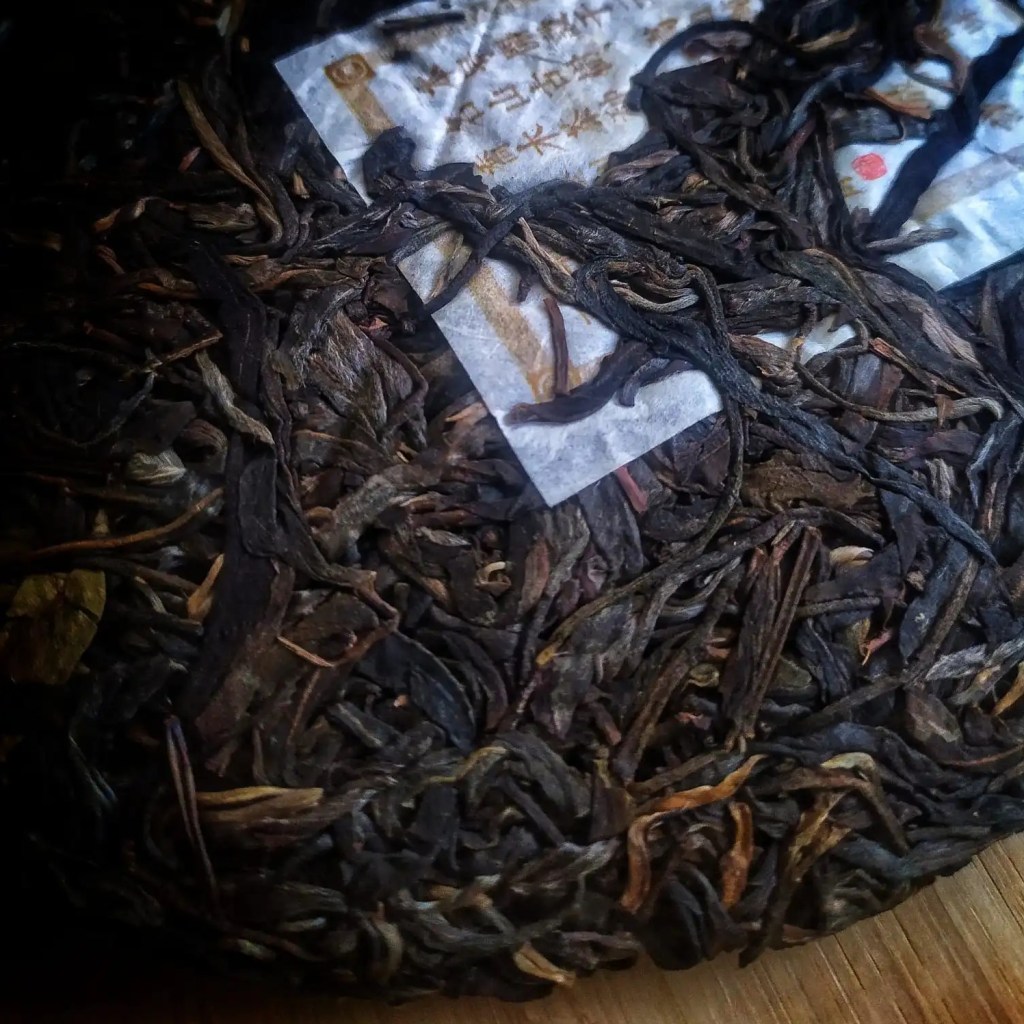
This 2017 sheng pu is produced by Cai Mao Xing Jie tea factory, probably dry stored; the straw-gold color of the liqueur is typical of the puer of Mangfei area, in which hints of camphor are revealed in the wet leaves, initially balsamic scents, then a subtle smokiness, alcohol macerated fruit, juniper and wild botanicals. The complexity is then revealed under tones of musk and manuka honey and continues consistently to the sip, sweet, fresh, of medium-light astringency, with musky and woody aromas and notes of bitter herbs that appear towards the fourth infusion. Floral, fruity and spicy sensations are contrasted, in an up and down of a sensorial score, where the gloomy taste unfolds on tones of cooked apple, white pepper and juniper before the appearance of creamy notes, of a lemon sablè tarte, of the sweetness that brings a compote of wild strawberries and mint and alpine herb candies. It is a tea with an exuberant qi, a sweet huigan and the continuous placing before and after the threshold of maturity makes it an extremely satisfying tea already in its youth.
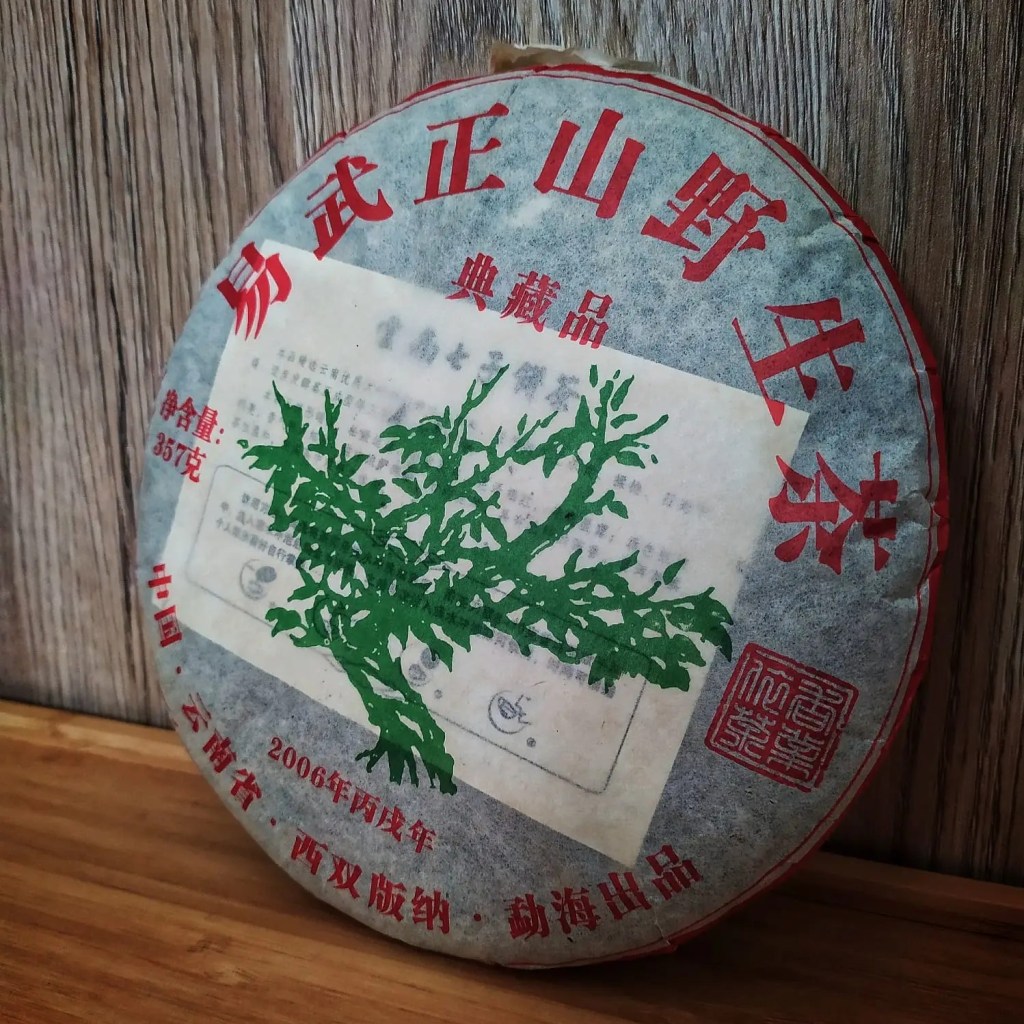

 Wild Harvested