Author: wildharvestedtea

  • Shaping the Earth: The Instinctiveness and the Human-Matter Connection. A journey through the ceramics of Damian Piątkowski.

    Shaping the Earth: The Instinctiveness and the Human-Matter Connection. A journey through the ceramics of Damian Piątkowski.

    There is a gesture, absolute and primordial, that precedes every form of calculating thought: shaping matter. Before architecture, before writing, before utterances became language, there was the hand that molded the earth, shaping it with generative tension. Instinctive, untamed ceramics, in which function and flair do not yield to any technique, are the manifestation of an art that does not ask permission from aesthetics; it is substance, it exists and consists purely in itself.

    To it belongs that rural spirit that calls for a necessary return to a time when not everything had to be polished, constrained by automation. It offers itself to the kiss of flame, to the intimacy of fire, whose tailor is alchemical chemistry; within it dwells man, not the perfect one, obsessed with premeditated thought, but the one who falls, who errs, who returns to the earth to reclaim his material condition. It is a reminder of the human, of a beauty that does not stubbornly seek to appear as such; a silent resistance to homogenization.

    Nonetheless, I have often reflected on this way of making ceramics, trying to understand the phenomenon of instinct. And through this exploration, I’ve come to realize that contemporary wabi-sabi has nothing to do with this kind of spontaneity. The more I observe the work of true artists, the more I see how the term wabi-sabi has taken on mostly derogatory connotations, an aesthetic shortcut. I’ve seen a flood of pseudo-artists making so-called “wabi-sabi” ceramics, with imperfect forms, teetering between the amorphous and something regurgitated by an earthquake, claiming to tell stories of “the art of imperfection.” But there is no story. Only form. Only matter. Even more sterile than mass production. Just an attempt to sell incompetence.

    But the ceramics of Damian Piątkowski, Jiří Lang, Jiří Duchek, Andrzej Bero, and Jan Pávek are completely different. In Eastern Europe, a movement has emerged, led by these great ceramists who celebrate the unrepeatable, the uniqueness of creation, its original matrix. While in China, perfectionists like Wu Haoyu and Wang Shi Jun, legends of Yixing like Zhou Dingfang, Yuan Weixin, Yang Hui Ying, or of Jianzhan like Chen Xu, Lai Yun Ping, Xiong Zhonggui have risen to prominence, Europe, too, has now undoubtedly reached greatness, albeit in a different way.

    The unpredictability of the result takes on a new form, a recovery of physicality and of the body, not only in its imperfection, but in its symbols, in its meanings.

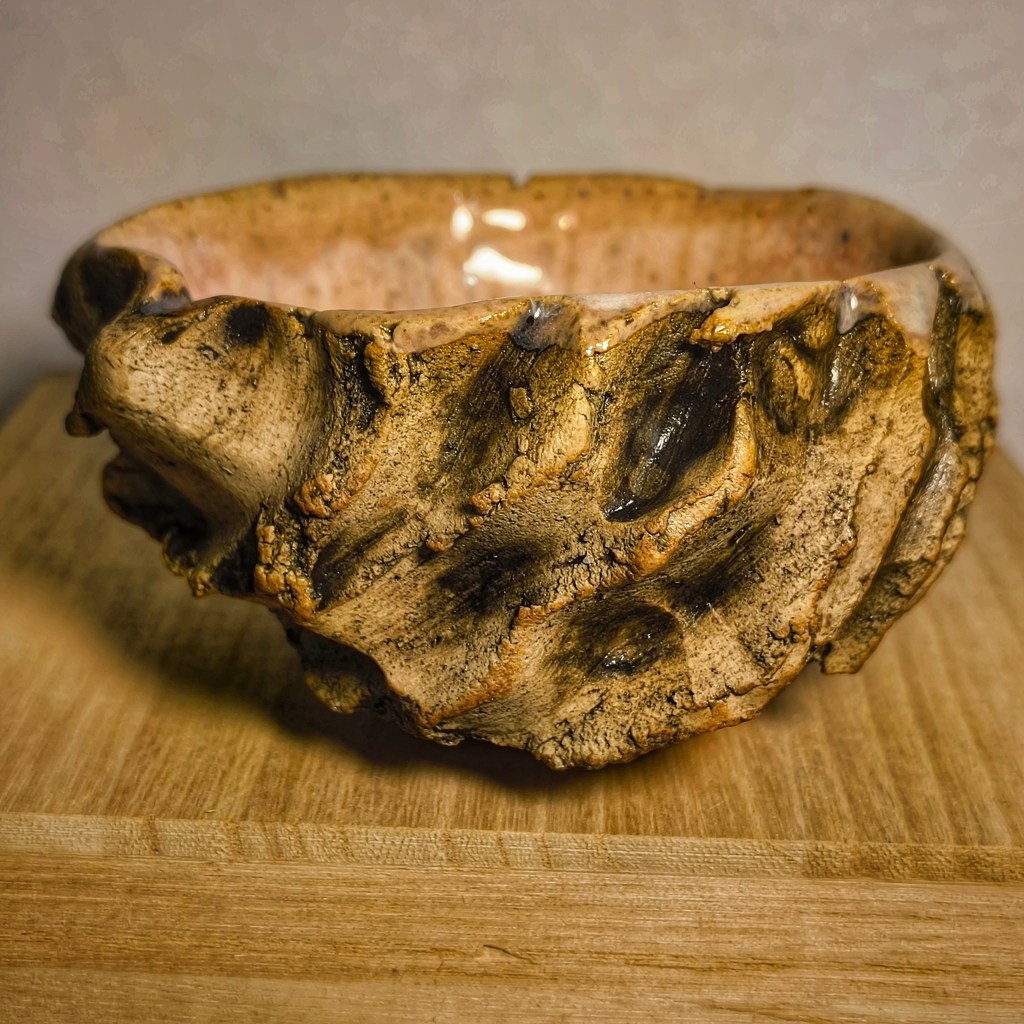
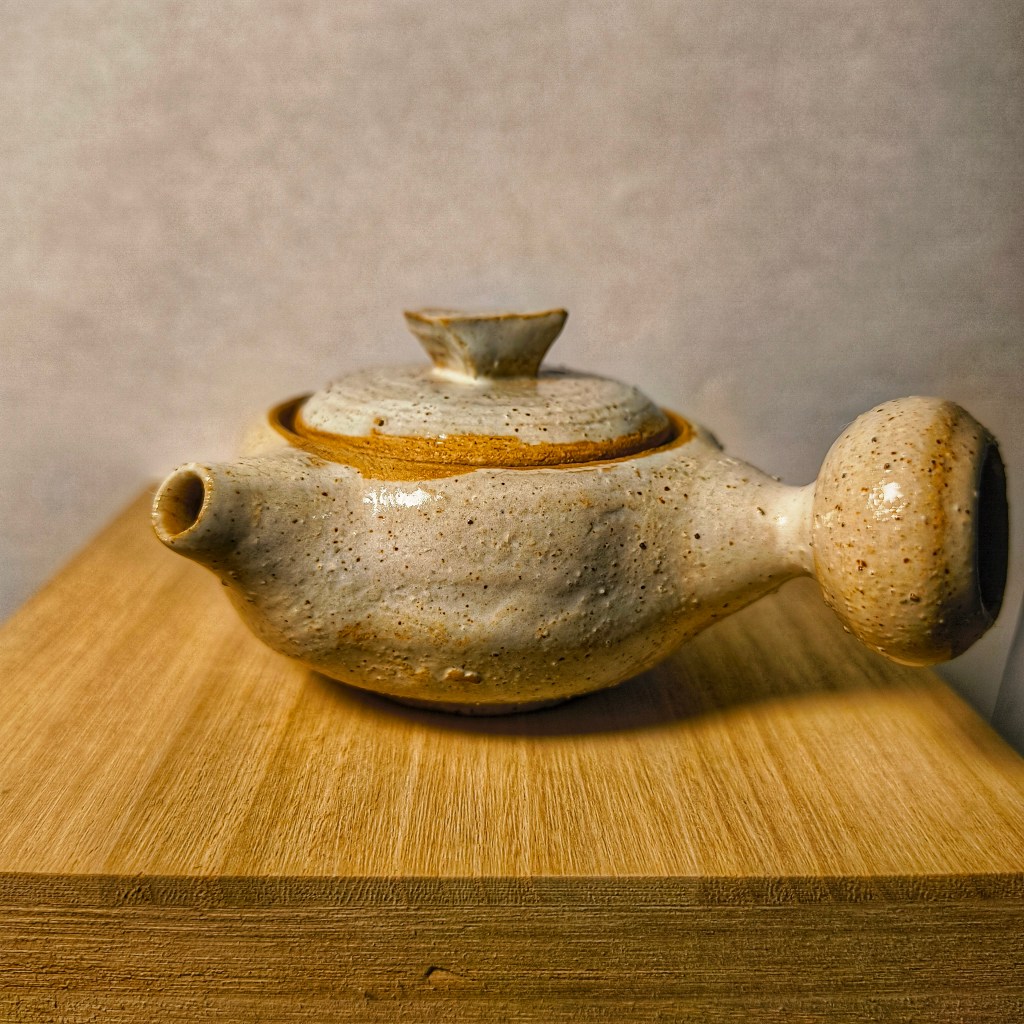
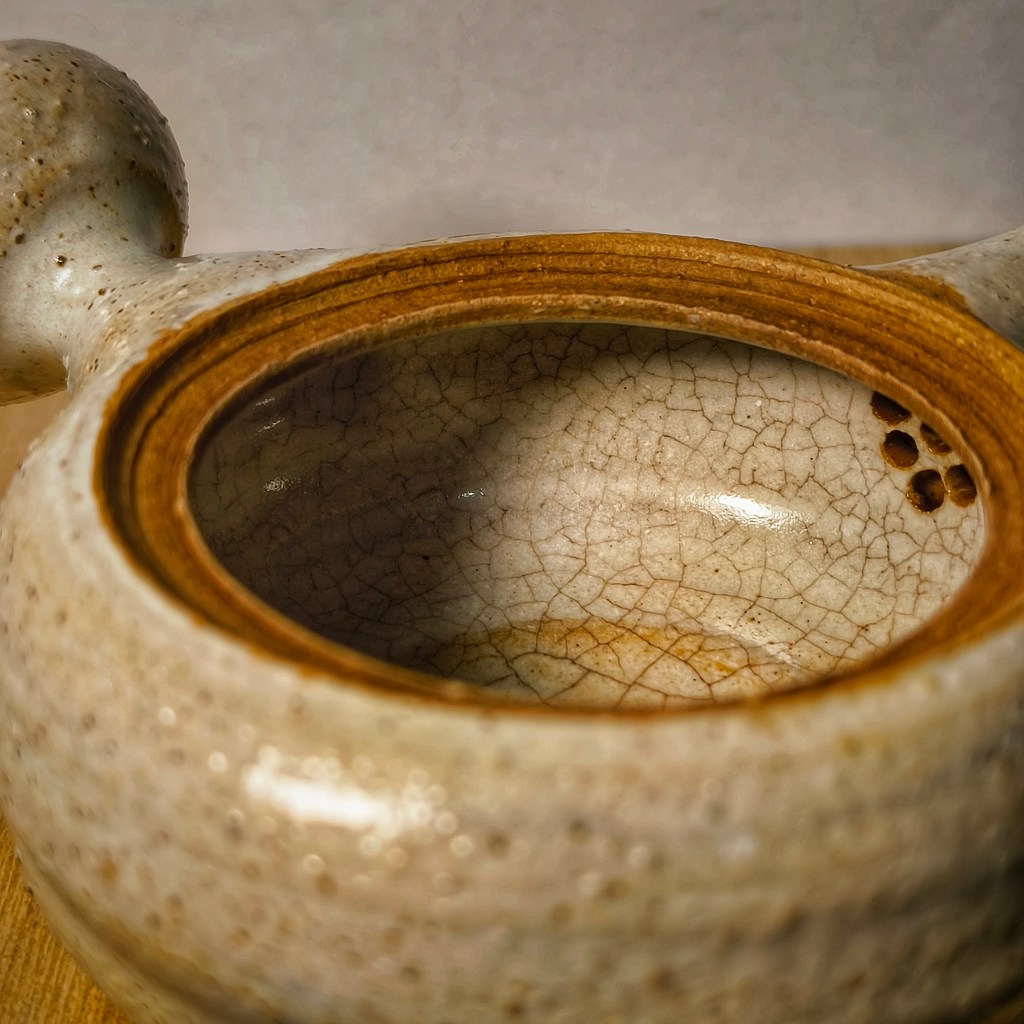
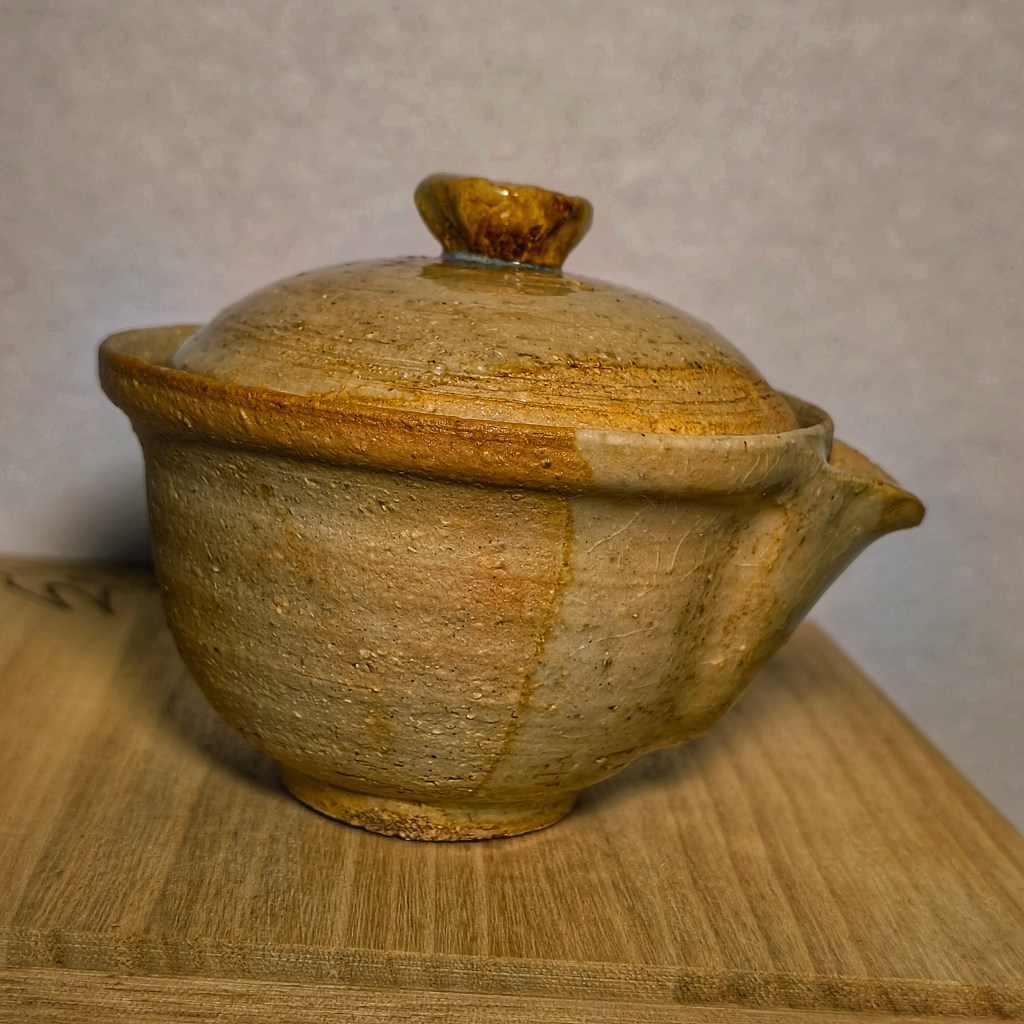
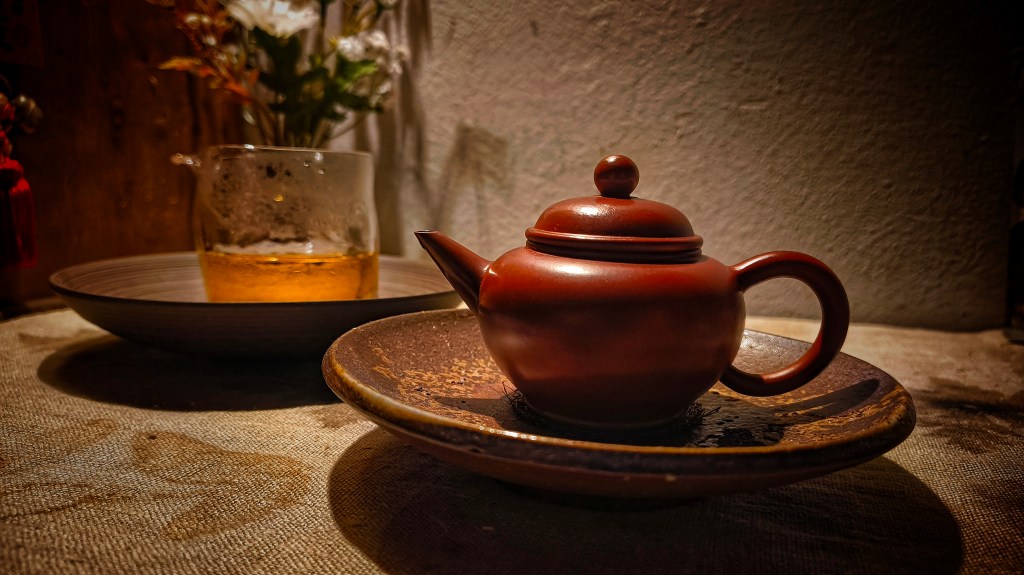
    The ceramics by Damian (clayoncy) that you see in the photo embody all of this: not a regression into some ancestral making, but a conscious position that places the human-matter bond back at the center through a pre-ontological dimension of form, offering a radical alternative to mere artifice and the reproducibility of shapes, reconstructing not only perspectives and objects, but entire ways of experiencing sensibility and inhabiting the present.

  • On the Sidewalks of the Sacred and the Spent – Seven Essence Darjeeling Autumn Augury

    On the Sidewalks of the Sacred and the Spent – Seven Essence Darjeeling Autumn Augury

    Augury is a Seven Essence Darjeeling oolong conceived under a notion of tea-making that is almost Liberty-like, moved by a secular liturgy made of gestures, of manners, of repetitions never entirely identical to themselves. It is the progeny of a movement that knows no envelope, neither of the body nor of the imagination; it is a struggle against the terror of uniformity and constraint. It compels one to separate from judgment dictated by the flesh.


    Drinking it brings back memories of late nights, with the head resting against the wall in front of Casa Florio Nizza, a massive liberty building by Bellini, adorned with cast stone phytomorphic decorations, where the opacified windows let the light filter in like a profane cathedral. The wrought iron of the railings, twisted with almost conscious intent, seemed aware of being among the few survivors of an extinct architectural race.


    This tea brings back to my throat the mineral warmth of those walls, thoughts on the excesses of a life long past, on surrendering beauties, on the last cigarettes smoked standing among those fervent buildings, custodians of descents into hell and fleeting redemptions. A youth lived on worn-out sidewalks, eroded by the disheveled snobbery of its regulars. These were neighborhoods inhabited by angry adolescents, womanizing masons, criminal dandies, penniless but enlightened artists and inept silver spoon kids; people who, in any other context, would never have met.


    The cup appears like that neighborhood, a unifier of opposites, a place incapable of saving anyone, but at least able to ennoble our desire for consolation. With its scents of magnolia, orchard grass, fermented fruit and tuberose, it seems conceived by the olfactory extremism of Cavagna, but what strikes is not only its flamboyant sweetness, the total absence of bitterness, or its glyceric texture, but the verticality of the composition: a Dantean ladder climbing through wildflower honey and the early setting of gooseberries. There are notes of peach candy, guava nectar, coconut water, and pomelo, followed by an archetype of tropical fruit that closes on a fragrance of passion fruit, with an almost surreal intensity.

  • The Price of Inconsistency: The State of the Market and Why an Uncontrolled Price Increase is So Dangerous

    The Price of Inconsistency: The State of the Market and Why an Uncontrolled Price Increase is So Dangerous

    A few days ago, a couple of videos by Farmer Leaf were published on the situation of leaves prices in Yunnan, with some insights similar to an article I posted back in late January, written with a slight tone of historical catastrophism, which, rereading it now, almost feels like a premonition. But that happens because history repeats itself in a damnably perpetual way, and I take no credit for that. Now, I don’t think William needs my promotion, I’ve never even spoken to him, to be honest, but I believe he’s one of the people with the most complete, intellectually solid, and sincere vision of the Pu’er landscape, at least on the western side, and, most importantly, capable of combining field experience with analytical clarity, not only because he lives and produces tea in Yunnan. After all, a heart patient is not automatically a great cardiologist, right? For this reason, I would like to ideally connect to what was said in the videos, and perhaps push the boundaries of the discussion a bit further. I know this might seem like an idle exercise, especially now that we’re on the threshold of a season that in many areas hasn’t yet shown itself for what it will be, but I believe the world of tea is already saturated with misleading narratives, or overly bent towards consumption and function-driven logic, so I think many can still tolerate one more.

    In some areas like Jingmai, but also in the whole Lincang region, Wuliang, and many parts of Bulang, for example, we have seen a significant depreciation. Not all in the same way, as the price of Yiwu leaves has remained almost unchanged in the famous villages, likewise in Bingdao, although I’ve heard of at least a 10% drop in surrounding villages. The forecast is that plantation and old trees materials from less famous areas, including gushu from some terroirs, will be the most affected. It’s no secret that Pu’er has become almost a superhuman niche game in the last 10-12 years, but was this scenario so unpredictable?

    The last discussions on this topic were buried by me in 2014 when more and more people, myself included, became involved with Pu’er, along with a sinking fleet of capital supporters still rushing towards creditors because they considered it a good investment. The growth of the sector was predicted to be unstoppable, which indeed happened for the next ten years. But now it’s no longer like that. The signs have been there for a long time, just like they were present in 2007, although I stand by my previous position, namely that today the situation doesn’t verge on tragedy as it did back then.

    What is truly tragic is that Pu’er has reached ridiculously high prices, and in economic terms, this doesn’t mean that people can no longer afford it, which is the point that many emphasize, as if saying that there will always be people willing to spend; the problem lies in the willingness. When the price of a good drastically exceeds its perceived or utilitarian value, cognitive dissonance occurs in consumers, leading to a drop in demand despite the availability of money, simply due to economic rationality. The opportunity cost (what one gives up) becomes too high compared to the perceived benefit. This is in line both with prospect theory, which suggests people react to losses by perceiving an excessive price as “unfair,” and with the luxury paradox. Luxury, which has often been used as a justification for the monstrous figures requested, actually operates in a paradoxical way where some goods lose their appeal if they become too accessible or even too exclusive. A good loses its appeal as a status symbol if its accessibility (real or perceived) collapses.

    Price is not just a number; it is a psychological signal, and the breaking point is not universal. Exceptions are represented, for example, by works of art: they maintain high prices for centuries because they embody the brilliance of human genius, something that transcends mere consumption; they do not extinguish or exhaust in the face of the tangible, as they serve no purpose other than themselves. Their value transcends consistency, even while having physical effectiveness; it’s a status that no other thing in the world possesses. But for most goods, including Pu’er, when the price loses all connection to the economic, cultural, or functional reality, the market simply collapses.

    I remember that a while ago, people often debated the origins of capitalism, the rise of the West, and how it had overshadowed the Eastern economy in some ways, contributing to a geopolitical gap that is now not so clear. It was in this context that Pomeranz’s “Great Divergence” concept emerged. This was later placed in an economic context by Robert Shiller, who understood it as a situation where financial prices deviate too far from the real economy, creating imbalances destined to correct themselves, often traumatically. The way to identify this phenomenon comes from observing its three main drivers:

    – Economic narratives: shared cultural constructions that influence collective economic behavior, often independent of fundamentals. These narratives, such as “the tea from this mountain is liquid gold,” “only here can you find true gushu from 3,000-year-old trees,” “the stock of this Sheng keeps increasing in value,” or “this is the last chance to buy before prices explode,” act as psychological catalysts, amplifying expectations and contributing to speculative communication. The power of a narrative lies in its ability to be replicated and spread, much like a virus.

    – Positive feedback loop: a dynamic mechanism where an increase in the price of a financial asset attracts further investment, which in turn drives prices even higher. This process can generate a self-reinforcing spiral disconnected from fundamental values, further fueling the underlying narrative. It’s a recurring dynamic in speculative markets, often a precursor to a correction.

    – Imitative behaviors: the tendency of economic actors to replicate others’ decisions rather than base their choices on an independent analysis of available information. This behavior arises from both cognitive (reducing uncertainty) and social (fear of being excluded from collective gain or consumption) incentives, and is one of the main forces amplifying the effects of dominant narratives in markets.

    The key point to understand is that no divergence between prices and reality can last forever, none. You might ask, “What about works of art?” Works of art don’t enter into this context because they don’t have divergence. This sets in when the vicious cycle becomes unstable, because goods like tea are always subject to physical constraints, like having a house on the side of a hill in an area that is perpetually at risk of earthquakes. For real goods, final demand always depends on tangible utility, whether it’s for dwelling, consuming, or earning. If this function is lost in products that naturally possess it, the market collapses in the end.

    The significant difference from wine is that in the latter, entire areas have seen an increase in land cost and corresponding product beyond imagination, like Pu’er, but there are still labels that are more accessible and others totally out of reach for 90% of people, and both contribute to maintaining the peak of that specific terroir, which remains accessible but sufficiently elitist. In Pu’er, this doesn’t happen, which leads everything to a single standardized dimension. But it isn’t the same for quality. An example can be that all Bingdao shengs are expensive, some more prohibitive than others, but all are excessively costly and generally inaccessible, even the mediocre ones. The quality of raw material can differ even within the same micro-territorial context, but, above all, the hand of the producer is often unknown in the world of Pu’er, reducing everything to a blind purchase if you go outside your small circle of trusted producers or traders. According to this mechanism, if one producer in Montrachet makes a mediocre wine, it’s an isolated case; if someone sprays herbicides every Friday or produces low-level Pu’er in Yi Shan Mo, everyone risks being affected.

    Secondly, there is the crisis of trust, which arises when investors realize that the price is an “empty promise” in terms of missed capitalization or, at the same time, in terms of unfulfilled organoleptic quality, no matter how high it may be. Furthermore, the crisis of trust sets in when uncertainty exceeds average tolerance thresholds. Rigged auctions, counterfeits, false claims about the region and age of the trees — all factors contributing to the genesis of distrust. Have you ever seen cakes that looked ordinary, wrapped in plain white paper, always nibbled by the chewing apparatus of some friendly larva, with a damp stain, deliberately present to legitimize a supposed date, affixed a line before a price with 3 or 4 digits? If you were to sell a Chateau d’Yquem, pick any vintage as long as it’s not the 2008, to a wine expert, but that Sauternes were in a naked bottle, without a label, do you think they’d be willing to give you $600 on trust alone? Without clear traceability, strict controls based also on biochemical analysis, do you think people would spend a fortune on any Burgundy wine? In these contexts, people self-report among neighbors, whereas with Pu’er, there still seem to be actors who want that jianghu, that shadow line that seemingly benefits everyone. Wine is clearly different and not all concepts can be applied to tea, as it’s a different raw material. But why is it that everything becomes tolerable for Pu’er?

    Finally, there are external interventions, or regulatory agents that trigger corrections, which in this case can be merchants or investors. The money flow stops, and the machine halts, and this is the third reason for the unsustainability of the divergence.

    All these factors are usually monitored by financial experts to assess the health of the current market but also to avoid excessive financialization. If a good loses sight of its utility principle, it becomes an asset detached from what makes it itself, turning into a tool for speculation. So, I ask once again: why is there such a desperate effort in Pu’er to gamble and push itself to the edge of this condition?

    Complicit in all these self-flagellation efforts are surely all those photos, those beautiful live postcards with tea trees standing like soldiers at attention, ready to go to war to satisfy our palates, slaves to a huigan, an authenticity and a cha qi at $2/g findable only there, and I mean only there in those 5 square meters of land immortalized, because only there, according to the seller, God has cast his gaze, good tea is made only at that spot, everything else has obviously been planted to shade that little patch of earth, not to be harvested and sold. What they might not show you is how the person taking the photo might be standing on a guardrail next to the highway, and maybe the grass burnt by pesticides gets cut out with editing, as well as the poorly pruned trees (sometimes they don’t even hide those), or other similar things. Or, simply, the tea doesn’t even come from that patch of earth, because let’s be honest, buying tea is often not just an act of trust, it’s entirely an act of faith. This doesn’t apply to everyone, but it’s a concept that applies to many.

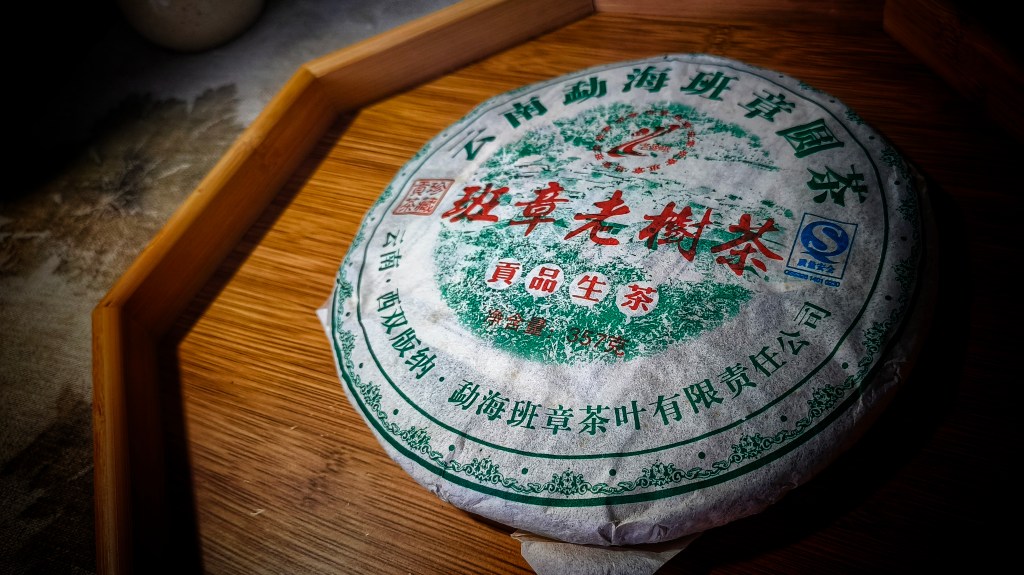
    There are no certifications to guarantee the maintenance of a supply chain, nor that a fair price is paid to the producer or farmer, nor control over denominations like in wines. There are chemometric authentication methods through the analysis of stable isotope ratios to trace the origin and harvest year, but I’m smiling just thinking about it. $400 for 357 grams of pure “maybe” seems a bit too much. Half would still be too much. As you can see, the problem is not whether one can afford it or not, for once the problem isn’t money. The problem is the physiological rejection, that immune response of my body against the enormous “if” that resides in my cup, which I’m about to swallow, hoping that the huigan will overwhelm me so I don’t have to engage in psychomanipulative strategies and explain to myself why I spent yet another boatload of money on something that’s barely worth a third of what I paid for it. Usually when there is asymmetry of information between the buyer and the seller, an average price is paid due to the lack of knowledge of one of the two parties. But in Pu’er this does not happen.

    And having mentioned authenticity, I’ll refer to the next crazy price-justifying argument. I remember an interesting article by Shuenn-Der Yu, an anthropologist from Academia Sinica in Taipei, who concluded by saying, “Ironically, the story of Puer tea demonstrates that the concern for authenticity may have reached a state where no one cares what Puer really is, so long as the current version of the tradition generates profits.” And here comes another bitter pill to swallow. The campaign for understanding what is authentic in the world of Pu’er has been going on for at least 50 years, and today we are still at the same point, the starting point. Authenticity has moved through the debate between wet and dry storage, between terrace tea and forest tea, until reaching the exasperation of single-origin, which cannot be guaranteed, and the compulsive search for gushu. The search for authenticity has poured into the desire to know the exact location of the bathroom closest to the wok that generated the leaves of that cake from the Banpo forest and the need for those trees to date back to the Qinghai campaign of 1723. Otherwise, you’ll never know what authentic Pu’er tastes like. It’s not a communicative strategy adopted by everyone, but there’s always someone ready to pull out the sign saying “I have the real gushu, the others are fake.”

    From the late Qing period, blending (pinpei, 拼配) was considered a refined skill, the result of long training and experience, not unlike, in rigor and sensitivity, the art of blending in whisky or tobacco. This technique continued to represent an essential component of production, both for shenh ad shou Pu’er, continuing its evolution even within large state-owned companies in modern times. But today, authenticity resides in the single village, in the extreme representation of terroir, in tasting the locality, an invitation to the sage of purity and a claim to a place, as happens with French crus or Italian MGA. Too bad that in Pu’er there is nothing similar, neither in historical documentation nor in tradition, nor, again, in the concept of denomination. And without denominations and identity controls, which terroir are we talking about exactly? We can talk about it when we are in that mountain, in that forest, tasting the tea that comes from it because we know who worked it or picked it. But hundreds or thousands of kilometers away, how does that certainty remain intact?

    Apart from the controls in some areas, in other parts no one will tell you the truth about what’s happening. Ten years ago, MarshalN wrote, “If you think about it, nothing stops a seller from going to the nearest Chinatown supermarket, buying a bunch of tea cans that cost $5 each, emptying them, repackaging them as quality tea, and reselling them at a 4x markup,” and what has changed in 10 years? Nothing.

    The marketing of Pu’er tea has for many years been a choreographed performance, orchestrated through often incomplete contracts that leave excessive room for opportunistic behavior. This modus operandi can be rationalized by observing three harmful symptoms: the sanctification of space, the providential narrative, and the pseudo-religious iconography. All of these are present and exposed above. The Pu’er market has been plundered by what should be the true agronomic meaning and sense of terroir, which deserves true protection, not mere commercialization. What should be the core of authenticity becomes the passive accomplice of an economy of hope.

    “It’s normal for people to always want more and earn more; it’s useless to play the morality crusader,” is a typical phrase I hear in debates about situations like these, and it is the natural response many would wield in face of this article. Therefore, I would conclude by reaffirming the reasons that constitute the danger of such a perverse economic cycle.

    In the relentless pursuit of higher margins, many areas have converted their crops, with reductions in many cases of more than 40% of the land cultivated for essential foods, increasing vulnerability in case of external imbalances. To expand or maintain production, many farmers have taken out high-interest loans, which, naturally, are also increasing, as the bet was based on a continuously rising price for Pu’er, thus increasing pressure on the credit system and families. Now, if the price of raw tea continues to decline in the coming seasons, these farmers would find themselves in technical default. I read somewhere years ago that rural banks in Yunnan had about 40% of their loan portfolio tied to the Pu’er sector: if producers could no longer repay the loans, there would be a risk of chain insolvencies, similar to a mini subprime mortgage crisis:

    Farmers → insolvency → rural banks → credit freeze → collapse of local businesses → slow return to normalcy.

    So, the point is not just to lower prices, but to rebuild a network of trust. Continuing the speculative system would not only lead to critical adjustments for honest farmers and intermediaries but also to credit rationing phenomena that would prevent rapid recovery or mere subsistence even after the true outbreak of the crisis. Banks and credit institutions could limit loans to avoid adverse selection risks, like financing risky projects, favoring only the large intermediaries and leaving smaller entities behind. And this is a frequent thing that nobody ever talks about.

    Moreover, most of the workforce in rural Yunnan is directly or indirectly involved in the sector: farmers, processors, vendors, tea-related tourism employees. With another market crisis, what transferable skills would hundreds of thousands of potential unemployed people have? Economic restructuring is not possible in the short term to cope with a potential crisis, given the absence of industrial alternatives. To conclude this excessively dramatic view, even with a collapse in the value of Pu’er, rents and mortgages would not fall, since for a good initial period, land and properties would still be valued based on high-return expectations, and families would remain trapped in a stagflation trap (despite some sectoral deflation): high production, high costs, falling income, rising underemployment, and declining consumption. I don’t believe Yunnan is in this situation, despite some sectoral deflation and possible inflationary rigidity of essential goods and fixed costs, nor do I think it will get there soon. But this article is an investigation into various perspectives, so it is necessary to describe even extreme but possible conditions.

    Essentially, the Pu’er sector, grown under a model of accumulation and continuous speculative expectations, is now facing its structural limits:

    • Inflated prices → distorted rents → inefficient resource allocation.
    • Dependency on a single product → systemic vulnerability.
    • Lack of diversification and resilience → risk of regional social and economic crisis.

    The Pu’er market has evolved into a microcosm of financialized capitalism, where the described drivers create a deadly divergence between price and reality. The correction is painful but necessary, as only by anchoring the price to real values (quality more closely correlated with price, an ethical and certified supply chain, cultural utility) can we avoid the trap of the “Great Divergence.” As Galbraith wrote: “Everyone thinks they can leave the party before the punch bowl runs dry. But the punch always runs dry suddenly.”

    In light of the above, the solutions – though complex and not immediately applicable – must include a selective revision of price levels, especially in areas that have experienced the sharpest increases in recent years. This recalibration would help to rise quality, to reduce the entry barriers that currently discourage new operators and consumers in a sector characterized by volatile and often unstable preferences.

    It is true that there is a niche of loyal consumers, deeply connected to Pu’er from both a cultural and taste perspective; however, most consumers show high price sensitivity, and in the event of compromised accessibility, they will drastically reduce consumption or migrate towards alternative tea varieties, or turn to other Pu’er production areas such as Laos, Thailand, and Vietnam, which are more economically sustainable and are now producing excellent teas.

    As also highlighted by William in his videos, another key strategy is diversification: particularly the development of sustainable and integrated tourism (ecotourism) and the reintegration of agricultural crops suited not only for human consumption but also functional for renewable energy production, such as biomass for biogas, or alternative crops like coffee, given the growing prestige of the Menghai region, where extremely high-quality varieties like Gesha are now being successfully grown, representing promising ways to free local communities from the near-exclusive dependence on tea monoculture.

    At the same time, the introduction of a mandatory certification system for Pu’er is necessary as a tool to restore market trust and strengthen the perception of the product’s intrinsic value. The cheerful postcards will not be enough sooner or later. In this regard, the use of blockchain technology – to ensure traceability and transparency – together with the formal recognition of local designations of origin, represents an essential step towards a credible and sustainable revaluation of the entire sector.

    From a macroeconomic and credit perspective, if the market continues to show rigidity and an absence of adaptive capacity, it will be inevitable to implement extraordinary intervention tools. Among these, it will be crucial to begin systematic monitoring of essential goods prices in the most affected areas, to contain the regressive effects of the crisis on the most vulnerable households. It will be necessary to consider the possibility of activating public debt moratoriums for small producers, as well as, with extreme caution, evaluating the partial conversion of debt into equity instruments. Although this measure would provide immediate financial relief and potentially facilitate access to certification programs and technical support, it carries significant structural risks: among them, the potential for abuses, the excessive commercialization of production logics, and the disproportionate cession of land-use rights in relation to debts that might be overestimated or poorly contracted.

    Those who know me or have had the chance to read what I usually write on my profile know how attached I am to Yunnan and China, and they perfectly understand my language, saturated with admiration for an irreducible people. However, I believe that poetic phrasing, lyrical tones, and romantic philosophy are no longer enough. On the contrary, I think a more critical, aware, and participatory approach is needed: a form of shared responsibility toward a market that has proven extremely fragile and that requires more balance and transparency, for the good of all, those who live there and those, like us, who observe, love, and frequent that world.

  • How Money Can Buy Your Taste. And Why You Should Buy Tea Anyway.

    How Money Can Buy Your Taste. And Why You Should Buy Tea Anyway.

    Universities are fascinating places to discuss how money cannot buy happiness. Perhaps because young people at that age are often strapped for cash and, at the same time, eager to prove that money can’t buy everything, not even that feeling, that harmony between duty and desire, between the passive acceptance of immediate pleasure and the attempt to avoid ephemeral satisfaction. The academies, until one secures a professorship, are also the venues where the idea of the hedonistic treadmill is strongly endorsed. This concept describes the human tendency to incessantly seek pleasures or material improvements without ever achieving lasting satisfaction. Even significant achievements, such as a career advancement, the purchase of a long-desired asset, or a personal milestone, generate an initial peak of satisfaction that nevertheless fades with habituation, returning the individual to their preexisting “set point” or “basal level of happiness.”

    I began to wonder, in conversation with colleagues, how one might temporarily yet continuously buy access to the upper floor of happiness, creating an emotional elevator that works on demand, but without the immediate dispersion typical of compulsive buying, and without short-term happiness eventually leading to long-term side effects. Honestly, I was very happy during my early university years, marked by precarious employment and mere subsistence, but I don’t think I’d want to return to those same conditions at this stage of my life. Yet I also don’t want, now that I’m aware of having greater purchasing power, to fall into the collector’s spiral, where happiness is repeatedly renewed and crumbles as one fills a substantial void or into the trap of social comparison, where one measures their value against others in a cultural context that celebrates material success. This phenomenon, as Festinger’s theory of social comparison suggests, has only made many people poorer and poorer. Then, for those of you, like me, who refuse to accept the reality proposed by Lykken and Tellegen, that 50%, and even more, of subjective happiness is hereditary, it becomes necessary to find something that rescues us from our desperate, ill-fated genetic inheritance of perpetual dissatisfaction. I would like to tell you that to govern happiness you must focus not on possession but on mastering your inner judgment; however, I am by no means the most spiritual person you’ll ever meet to be in a position to say that, and besides, I don’t feel like lying to you.

    If money cannot buy happiness, we have certainly noticed how it can at least purchase quality, or at the very least, the pretense of quality. I recall several studies, as well as numerous blind tastings, where it consistently emerged that wine, or tea, showed a positive correlation between price and quality, yet the relationship was always incredibly skewed. The most expensive product never ranked first, never. Now, in the Pu’er saga, we see how, as a common snack available everywhere, tea cakes priced at $1–2 per gram appear as if it were normal, as if quality resided only in those teas, and among the buyers of these cakes very few complain about the actual quality of these productions. Beyond the debatable nature of this phenomenon, there are reasons for it.

    The first is that these products do indeed embody quality, albeit not to the extent that justifies their exorbitant prices.

    The second, as trivial as it may seem, yet as current as a Rolex Submariner on a trust fund kid’s wrist, is that no one is willing to admit to themselves that they’ve burned through a third of their salary on a tea cake that didn’t overwhelm them with a mystical aura but was simply an excellent tea. This is the “sunk cost fallacy”, we recognize that it is irrational to persist in a failing project “because we have invested so much in it,” yet the pain or anger of admitting a loss paralyzes us, doesn’t it? When something is expensive, the link between price and pleasure becomes extremely strong; the price tag transforms into a vehicle for a symbolic narrative that promises a sort of redemption for the expense, an existential revenge. The more you spend, the more you believe you are accessing a “superior” pleasure, rarefied, almost transcendent, and this occurs even before the actual possession of the good, via dopaminergic anticipation.

    But the third, and most important, reason is that often the price demands attention. When you spend a lot, it is rare not to notice every smallest detail; every moment can become saturated with meaning. You’re willing to overdose on information just to testify that something is truly extraordinary. This happens even without resorting to selling your organs for a cake, but when you spend a lot, there is no doubt that even someone usually inattentive to every macro-detail would experience the situation differently. In short, both emotional and physical engagement reach their maximum.

    Tea in Asia is the apotheosis of agricultural art, and it is natural that people find far more to discuss about a Bi Yun Hao tea cake priced at $500 than about a Xiaguan tuocha costing $10. In the latter case, even if there were something worth discussing, the buyer might subconsciously suppress their thoughts, because it is socially expected that any good priced below a certain threshold has nothing to offer except a “daily squeeze” of repeated consumerism. Many believe that you cannot enter the elite with a ten-dollar purchase, right? But then, how can one leverage this perverse, consumerist vision to one’s advantage without selling both kidneys? Now I come to the point.

    What if we viewed price not as a determinant of the intrinsic quality of tea, but as a marker of a sacred boundary between the everyday and the consecrated moment, where money is not betrayed by the real quality (a quality that will never be proportional to the money spent in any case), nor idolized by those who have invested a fortune in what they consider the only way to achieve “true” pleasure? It would no longer be about chasing luxury or a social identity, but about intensifying the present regardless of other factors at play.

    To do this, there is no need to spend vast resources; it is enough to pay just a little more than what we consider “normal,” employing a critical yet functional hedonism in which that slight surplus serves as a cognitive bypass and taste criticism functions as a true tool in the search for real quality. Then, all that is needed is to unbox a tea cake and share it, with someone you love or with yourself on a difficult day, thereby consecrating the moment. And you can do this repeatedly, in a logic that transcends every commercial imposition.

    That “little bit more” translates into the symbolic gesture of surpassing the ordinary. If you think that isn’t enough, bear in mind that one aspect is the rational awareness of a cognitive bias, and another is overcoming it. It becomes akin to knowing about an optical illusion yet continuing to perceive it even after understanding the trick. Awareness of a bias triggers the analytical system, which is more laborious but corrective; however, it does not interfere with the creation of the bias itself—because biases are effects of evolutionary inertia, developed to survive in a context of cognitive sustainability, not to be right. Essentially, we live in a sort of metacognitive blindness, so why not exploit it.

    Let it be clear, this approach would not make extraordinary what is not, nor would it imbue something with an unreal quality it does not possess, but it would help remove many externally induced obstacles to accessing this generative mechanism.

    In addition, it would bypass what Byung-Chul Han defines as the “psychopolitics of consumption”, that is the colonization of emotions by the market, which transforms price into an indicator of sentimental intensity, a revealer of truth. Instead, a practice of ritualized happiness is built, as Bruckner would note, whereby a Pu’er tea cake becomes a pragmatic and positive fiction, an accessible simulacrum that does not promise the eternal happiness but guarantees a repeatable fragment of fulfillment.

  • Seven Essence Darjeeling Masquerade

    Seven Essence Darjeeling Masquerade

    I believe there are few people on this earth for whom I have ever felt even a modicum of envy, and I do not say this out of vanity nor from some absurd, ultraterrene awareness. I’m simply indifferent to the allure that possession exerts on people, the resonance of an echo of absence, the trace of a denied desire. Yet Bubble and Abhijeet have a rare, transcendent empathy when it comes to tea, a quality that is either innate or remains scarcely graspable, one that probably I don’t even have. Their autumn collection attests, indisputably, to their status as the Vaughan brothers of the Darjeeling terroir and to the perception that selecting leaves is a virtuous act, a testament to aesthetic discernment.

    The election of the proper material is not a mere sorting process; rather, within it dwells that lyricism, that aphonic language in which what resides is lifted from its ordinary form, unfolding into a dizzying array of aromas and scents where time contracts and expands with a diaphragmatic cadence. To select leaves is an invocation of the sublime, a re-creation of the universal tension between order and chaos, wherein the structural opposition of what is utilitarian and what lies beyond utility is drawn and maintained open, rendering tea not merely a beverage but a vehicle of meanings.

    Masquerade is a Darjeeling oolong produced from the AV2 cultivar, a tea with a dense liquor, a chromatic snapshot vibrating between ancient gold and dusty amber. The leaves exude the fragrance of rose and jasmine, of olive oil and fruit tart. The infusion is sweet, soft and persistent, with hints of pear, pistachio and dried apricot. It is a sip of freshness, capable of rejuvenating even those weary nights, illuminated by the flashing lights of police cruisers deployed in one of those torrid, sleepless nights.

    Notes of chlorophyll, subtly vegetal, along with hints of olive leaf and mango, evoke an introspective road movie, laden with trembling shooting of hands brushing against corn stalks and bodies staggering in the sultriness, a spiral of rural unrest and youthful rage, of adolescent fights in the badlands, where typically nothing was too dear but everything cost too much.

  • Rethinking Changtai’s Legacy: Are post-2004 Productions Really That Bad?

    Rethinking Changtai’s Legacy: Are post-2004 Productions Really That Bad?

    The postmodern saga of Changtai is a mélange of nostalgia and decadent retrospection—a journey that began as an escape route, full of fleeting glimmers and vibrant lights, from the state-dominated gloom of the ’80s, soon became a conceptual reimagining of State Road 9, with its kilometers of pitted asphalt and half-lit motel signs sliding anonymously past the car window. They were riding the Pu’er epic, where every tong was marketed as if it were the Rosebud of Citizen Kane, that elusive treasure everyone sought to understand and possess. Nowadays, according to many aficionados, the tale of Changtai resembles the narrative of Bas Jan Ader’s brazen, smiling bike ride right before his humiliating crash. “If you want Changtai, look for it before 2005…”—one of the most overused phrases of the past decade. But is that really true?

    Founded in ’99 in Yiwu by the will of Chen Shihuai, Changtai began selling its tea under the brand Yi Chang Hao, carving out a niche much like an indie rock band holding what seemed to be the perfect record, before the industry ruined everything. After YCH, they went on to produce numerous successful series sourced from single terroirs, such as Chen Hong Chang and Chang Tai Hao—exclusive teas crafted to last, to age like the finest Chateau Margaux. Yet, a few years later, something broke.

    The Pu’er market of the 2000s was not unlike the realm of contemporary art: suddenly, money flooded in, investors arrived, critics lost their impartiality by getting drunk with the artists, and everyone wanted a slice of the cake. Demand exploded, prices soared, tea was even planted at lower altitudes, and factories ramped up production. Pu’er was no longer merely a tea, it had transformed into a financial asset.

    In 2004, the factory reorganized as Changtai Tea Group, and with it came a change in approach: economies of scale took precedence, there was a greater reliance on plantation-grown material, more commercialized sourcing, less meticulously managed fermentations, and a reduced attention to detail. The overarching idea was to produce volumes, to churn out new batches for collectors who scarcely understood what they were buying—all while fierce competition for the best leaves intensified. Quality became diluted, much like a Warhol reproduced ad infinitum.

    At the onset of my own economic tragedy, when I first began acquiring cakes, I, too, partly embraced this notion.

    Comparing a Yiwu from ‘99 with one from 2006 felt like plunging from one metaphysical plane into another. The former was silky, layered, opulent and clear, while the latter was sparse, tediously sober, its complexity shackled by an almost ascetic organoleptic austerity and a finish that fizzled out too quickly, like a film abruptly cut before the climax. Yet over the years, I questioned whether this was universally true for all Changtai teas and how much weight these few general observations really carried—perhaps too cursory to be definitive. Thus, I granted them another degree of judgment.

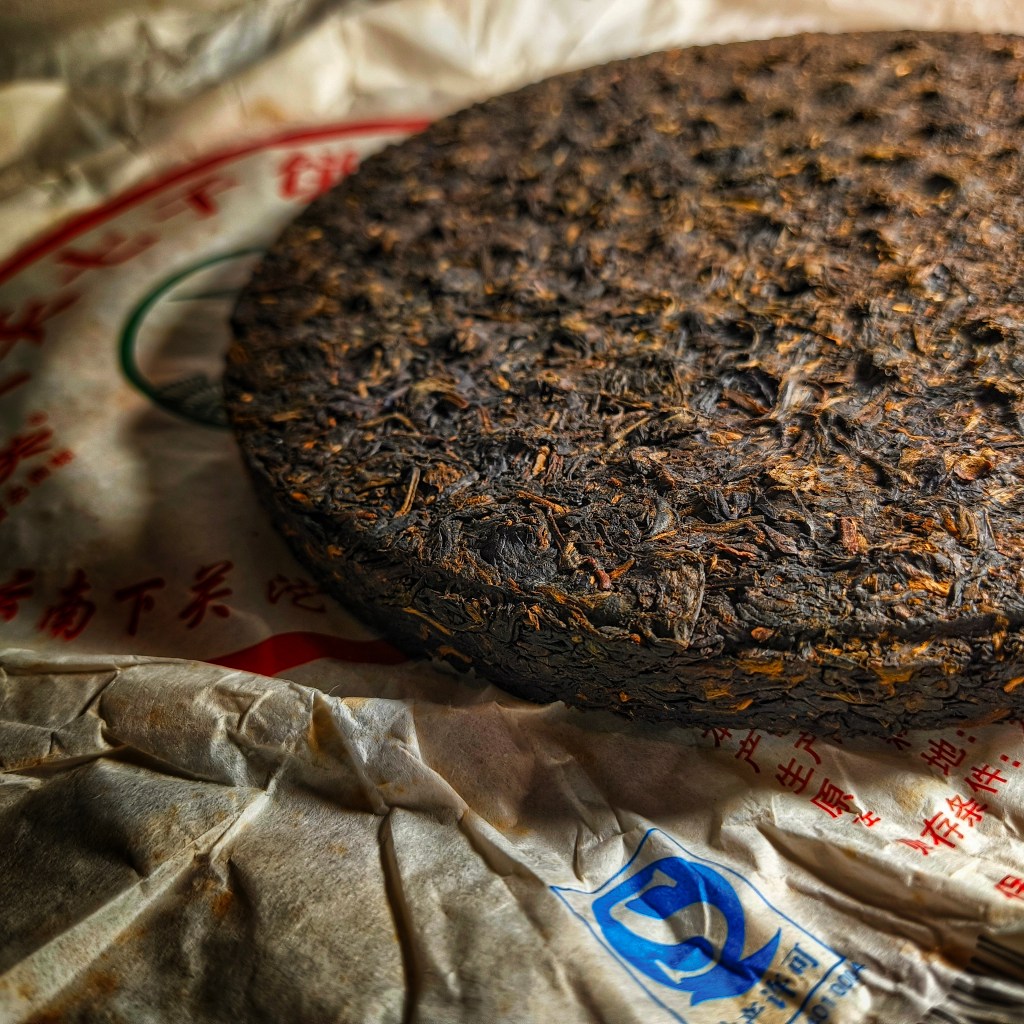
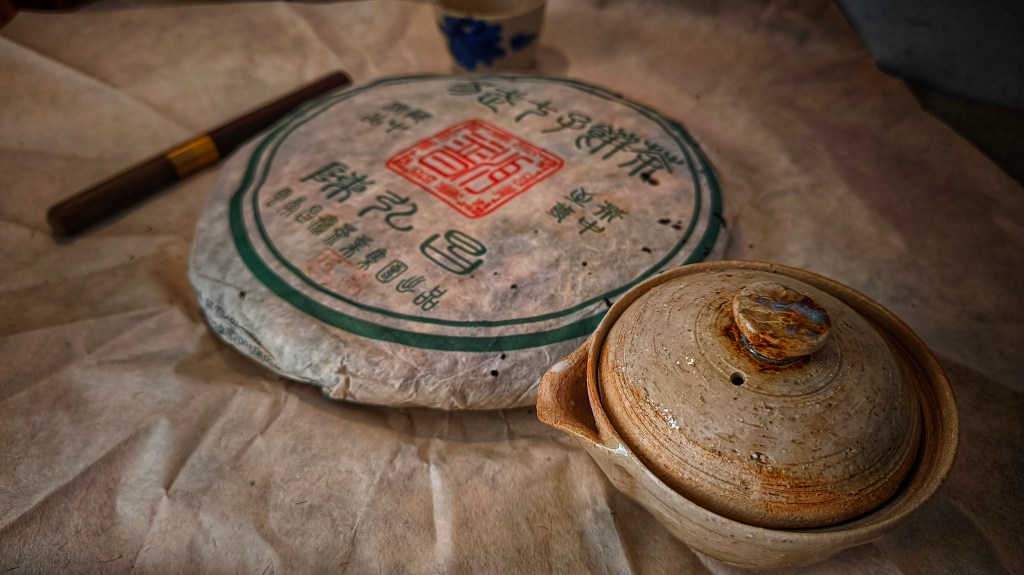
    I compared dozens of Changtai cakes each year—an obsession, really—and indeed, something had shifted, at least in trend. However, about five years ago, as I revisited that graveyard of samples I had set aside, I was stunned. The productions between 1999 and 2003 were undoubtedly remarkable, but those of 2005 and 2006 were not so far removed from their predecessors. I mean, hundreds upon hundreds of grams tasted in blind comparisons over ten years, two epochs that were supposed to be worlds apart and with an extra zero in the price tag, should have belonged to entirely different existential planes. But they weren’t, or at least not as much as public opinion, and my own mind, insisted. Production had indeed changed; however, certain elements of those iconic batches survived the onslaught of serial reproducibility, escaping the cynical, clinical gigantism of enormous, hypertrophic factories. Although these later productions underwent adaptations that created some detachment from their predecessors, cakes like the one in the photo, and others from 2005 and 2006, cannot, simply by that fact, be equated with the banality of a uniform proliferation, the child of that industrial era so often lamented.

    This supposedly inglorious decline was cemented when a course correction was made, delineating a sociological divide between tradition (what peoples craft for themselves) and folkloric reproposition (destined for mass consumption), which, though appealing, remains distant from the truth that governs the opus traditum, the craftsmanship of remote ancestry. But how much truth lies in all of this? How much tradition truly remained in Changtai after 2004?

    What shocked me most was the disparity in storage conditions among the various references, a factor that skewed the objectivity of judgment far more than any real qualitative gap. The cakes from the end of the last century through 2003 are genuinely of a high caliber, achievements that later productions can hardly aspire to match. In the 2003–2005 period, I found no absurd differences, certainly not enough to justify the price differentials from one year to the next. Often, excessively humid aging had irreparably ruined even excellent signatures—like a ’99 Yi Chang or a Mr. Wang Red Chang Tai Hao—trivializing their brilliance.

    Therefore, I believe that the environment in which these cakes have spent their lives is far more important than determining whether a 2005 Chen Hong Chang measures up to one from 2000, and that much of their economic and organoleptic value lies precisely there—in the climate, in the place in which they have dwelled—probably more than in the origin of the leaves, which counts for nothing compared to a twenty-year period spent in a humid warehouse, left to sour and reduced to nothing more than a basement squeeze.

    Moreover, finding well-preserved cakes to make such comparisons has become increasingly rare. Therefore, my modest piece of advice—if you haven’t sampled what you intend to buy beforehand—is to drink; take 2005 cakes without prejudice, provided they come from a reliable source. It is not entirely true that quality plummeted drastically after 2004; these issues emerged slightly later, and I may expound on the reasons in a subsequent article. In any case, if you are lucky, you’ll have secured a small masterpiece at a quarter of the price—one that, with high probability, isn’t a fake. If things don’t go your way, you’ll have gained a daily drink that is surely better than having burned a fortune, blindly thinking you’d closed a deal for a Romanée-Conti that, in reality, tastes like an old fisherman’s boot; or worse, a counterfeit, because the seller’s reliability wasn’t factored into the equation.

  • The Liquid Reflection of Civilization. Seven Essence Darjeeling Epilogue

    The Liquid Reflection of Civilization. Seven Essence Darjeeling Epilogue

    Years ago, I met a professor, one of those old, gruff Labour men, fond of humanity provided it was kept at a safe distance. He lived in permanent exile from pragmatic reality, an outcast who had sought refuge in erudition, guardian of a nation that had ceased to exist before he was even born.
    He listened to Mahler after his Darjeeling, but would only play it if the tea had truly satisfied him, perched on that Danish Art Nouveau oak stool with its black leather seat, with his fingers gripping the keys like ash roots burrowing into earth.

    Epilogue by Seven Essence brings him back to me, sitting in his study poised within the hypothetical temporal sliver between Hope’s Regency style and Ruhlmann’s Art Deco.
    He never chained tea to a fixed hour, nor did he treat it as a prelude to elitist drunkenness. To him, it was the liquid echo of ancient civilizations and their highest reasoning.

    The mahogany, varnish, sweet potato, petrichor, rye bread and cask notes, all wrapped in a cloak of earthy minerality, bring back that room drowning in bound pages and an excess of ebony. Watching it in the cup, I recall our conversations about Vermeer — the tea shines, releasing a warm light, as the one that illuminated the flesh-like surface of the Girl with a Pearl Earring, a radiance both earthly and sacred.

    The sip is rounded, neoclassical, sober yet embracing, with a warm, exuberant body, full of pepper, cocoa, violets and autumn fruit. The sip ends with a sugar cane sweetness almost severe, like the curtain closing on a Powell or Pressburger finale, those directors who knew how to grasp the soul of things without succumbing to sentimental drift.

    Epilogue reminded me of those cultured, discursive forays and how drinking tea itself is politics: a good, human politics that forces us to admit our dependence on the earth, on history, on the cultures of those far from us, in another time or place.
    Every cup is a choice. Drinking good tea is an act of resistance.

  • Neo-Noir Infusion: Drinking Time in a 2007 Banzhang Cake

    Neo-Noir Infusion: Drinking Time in a 2007 Banzhang Cake

    Lao Man Er, a brand many are likely familiar with, produced this cake in 2007 using old trees leaves from the Banzhang area. I doubt it includes LBZ or Lao Man E, and I equally doubt there is a significant share of XBZ, but there is something intriguing here. Beyond the brands and trends, there are things—or teas, in this case—that offer a window into a space and time distinct from our own, tempting those caught in the compulsion of favoring only a preferred label to look elsewhere.

    With its undeniable urban bohemian verve, it teaches the perfect balance of wet and dry storage, revealing mature yet still vibrant aromas woven into a humid structure, neither weary nor depleted by the damp condensation of some Taiwanese basement.

    Through earthy undertones interwoven with hints of leather seats from an old E-Class and cognac-soaked cork, it conjures a muggy, far-from-perfect night inside a car, where buildings seem to jostle against each other to stay upright. What emerges is a metropolitan Erebus seen through the hyperreal cornea of Richard Estes, with the visual cortex overexposed to those nocturnal images of smoke and decay, a flickering interplay of light and shadow in the neo-noir outskirts of Hong Kong.

    The leaves evoke the metallic sheen of a puddle on warm asphalt, the dry sweetness of tobacco, a distant echo of spices and herbal tinctures. They also bring to mind fermented fruit, aged pomelo peels, the scent of old haberdashery furniture, and the leather-bound books of a forgotten bookstore hidden in the alleys of a city that never sleeps.

    The sip feels like a 35mm frame, with each scent of time etched into it, like a latent image forming on film, one catches a glimpse of a past spent in some chipped underground warehouse, as well as a more recent existence in a better-exposed shop in Guangdong, when notes of chestnut, dried plum, figs, and kombucha come alive, only to give way to a faint yet persistent huigan, dissolving slowly and gradually like the last cigarette left burning, like the night retreating at dawn.

  • A Theatrical Infusion of Desire and Disorientation. Seven Essence Darjeeling Autumn Caprice

    A Theatrical Infusion of Desire and Disorientation. Seven Essence Darjeeling Autumn Caprice

    Seven Essence Caprice is the whim that comes from that land pushed to the edge of the sky, it’s the tea you wished you could offer to the stranger you met every morning on the subway, with that porcelain skin not exactly free from subtle traces of time, those perfectly arranged marks that made her attractively real and weave memories of encounters that never happened in your mind. But you never came up with the right words, only the absurd idea of the right tea to offer her, and that tea is this.

    The leaves, once wet, declare themselves on tones of magnolia, mango pulp and tomato. Then come marine notes with a Mediterranean accent-hints of salicornia, caper, green olives, and herbs butter. The extraordinary complexity reverberates in the mouth with aromas of millefeuille, white peach and cactus leaf to close a theatrical sip, sweet and at the same time salivating and refreshing.

    These notes are the orchestral delirium that connects Akita Tonburi with horseradish cream to the hysteria of strawberries with rose jam and frozen cherry blossoms at Eleven Madison, they are the trigger for a ecstatic dance in the middle of those buildings on the upper west side that stand like giant soldiers at the service of the stock market and you are leaning against the wall, rolling your tongue on the palate, trying to retrieve those aromas of mango, green plum and wild strawberries. Caprice is the highlight of the day before you disappear into the usual pre-war urban coffee shop between 6th Avenue and 8th Street, with late Art Deco interiors mixed with a sober mid-20th-century functionalism, with the reek of scrambled eggs and burnt fat in the air, the typical late-night aroma that smells of debt, perdition and broken promises useful for detoxing from the unbridled luxury of Caprice.

    It’s difficult to write about a tea like this without it seeming like an act of submissive flattery, I assure you that it’s not a simple narrative, but with some teas you don’t witness a simple act of tasting but rather a controlled hallucination, designed for those who seek disorientation and sudden revelation in taste, they are a sensorial vertigo, a chase in a context of constant perceptive tension.

  • The Last Sip Before the Wrong Choice. Seven Essence Darjeeling Patois

    The Last Sip Before the Wrong Choice. Seven Essence Darjeeling Patois

    I’ve often tried Seven Essence teas in recent months, and I’ve observed how they are able to construct a language that oscillates between lyricism and the most material pleasure, weaving a plot of formal innovation and human depth. I believe that Patois is no exception.

    Patois comes from the frozen AV2 buds of the autumn harvest. In that gaiwan, where the trembling light of yet another winter morning filters through, you can find a liquor that seems like liquid gold with shades of amber, giving off a disarming note of salty pistachio once the ceramic is heated. It’s one of those teas where, while you drink it, you find yourself absurdly in another place, torridly hot, watching the noisy and oscillating fan on the ceiling of a hotel room overlooking the bay, with curtains too heavy and the atmosphere influenced by the neurotic light of a neon sign now three-quarters off. And you, accustomed to the notes of green mango, basil, and wild thyme, wonder if the person still lying next to you thinks you’re crazy or is also feeling the liquid move in their mouth, soft as avocado melting on the tongue, with an aroma of magnolia and gooseberry jelly that enters the retronasal cavity like a promise.

    Teas like this are not for those who seek comfort in the warm steam of the broth your mother made when you couldn’t stand, nor the embrace of hot coffee the morning after a night out clubbing. Patois is the tea for those who stubbornly try to remember what they’ve never experienced, for those torn by nostalgia for a film that was only staged inside their mind.

    Patois is the tea Jay Gatsby would drink after a night staring at the green lighthouse, if only he were a tea person. It’s the sip that accompanies the suspended interlude before making the wrong choice. Patois is not for the faint of heart or hypochondriacs of disaster; it doesn’t comfort or warm. It leaves you there, feeding on that aphasia pregnant with suspension, which accompanies the gaze toward the trace of a Venetian coquetry-style perfume that you wish had been put on for you, but is now on the coat of someone who is too far away, fit to seduce someone else.