
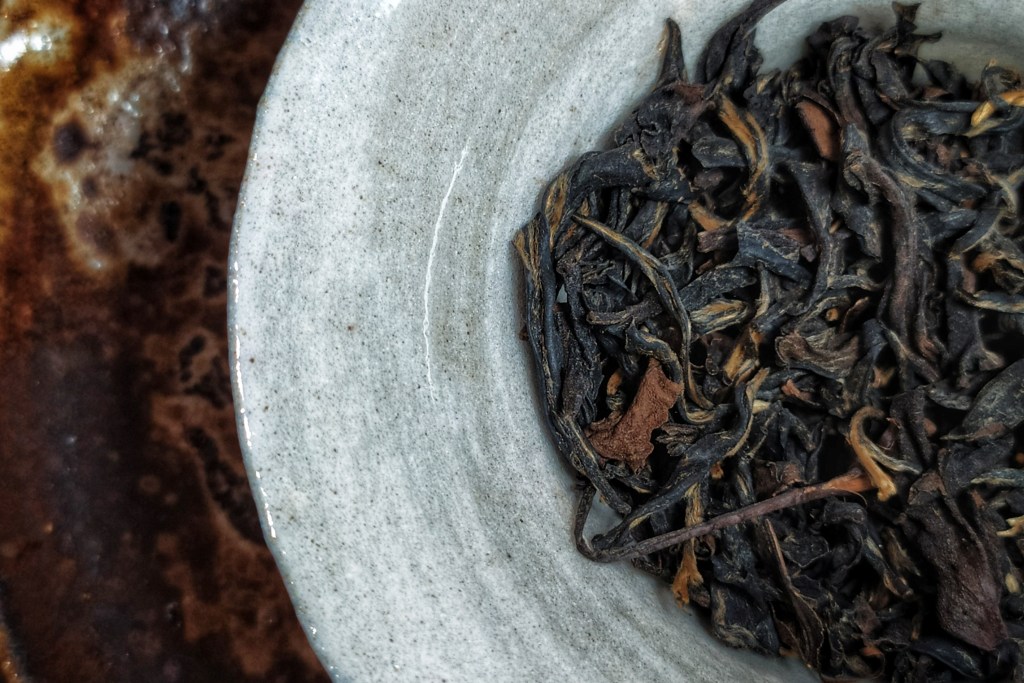
This was the last tea of 2024 and the first of the new year. It was a tough, exhausting year. Dealing with the pain of loss, with the sense of emptiness, of being unmoored from the warmth of everyday life and the luxury of the habit of affection, I believe is the greatest thing that nature can ask a human being to face. For the first time in ten years, tea was not at the center of a significant moment, it was a palliative, something secondary, the translation of the search for a cure.
What had always fascinated me about tea and its aging, its ontological tension between existing in the moment and thriving in a higher dimension, its transitory nature suspended between being and dissolving, the form and its annihilation, from that moment also applied to human life in a cruder and crueler way than I had ever experienced.
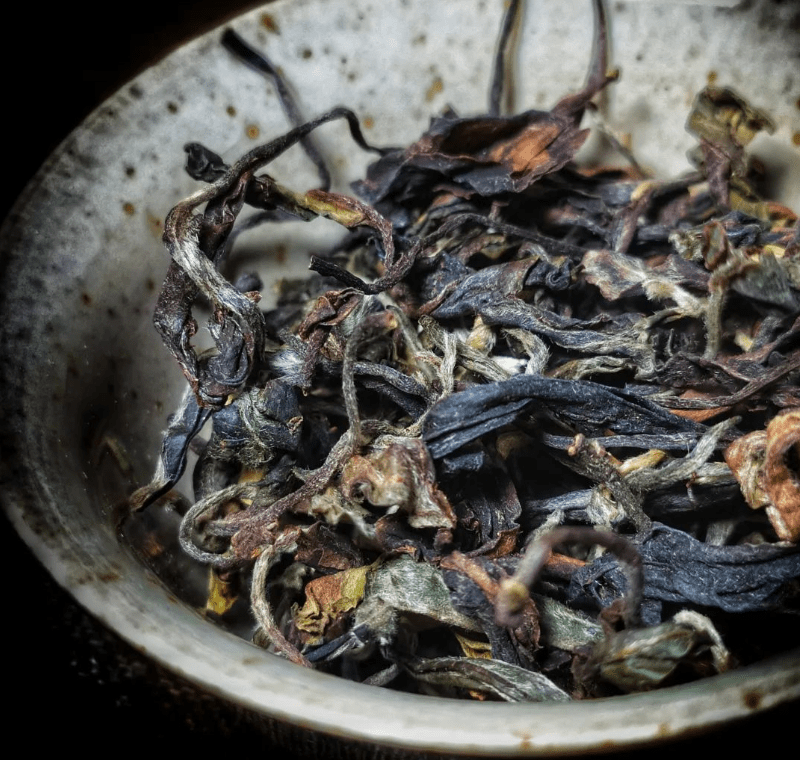
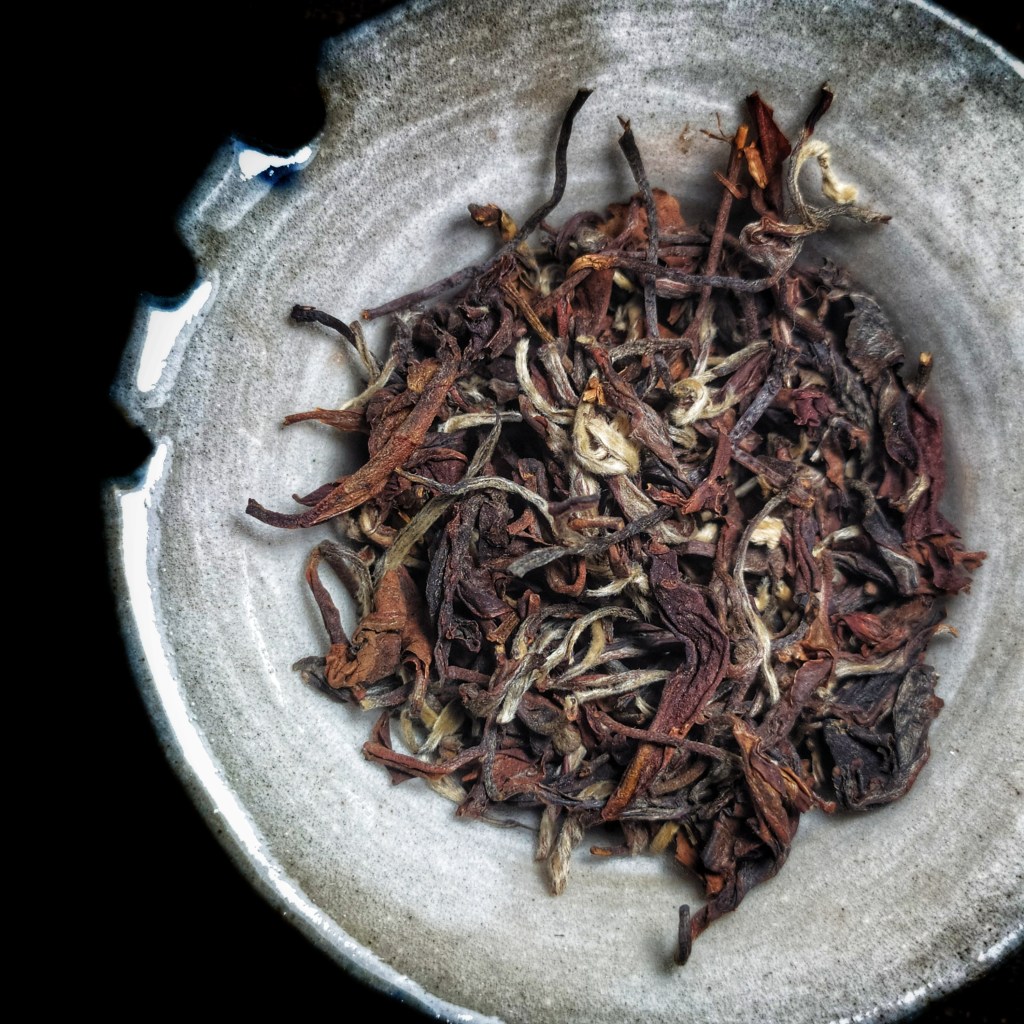
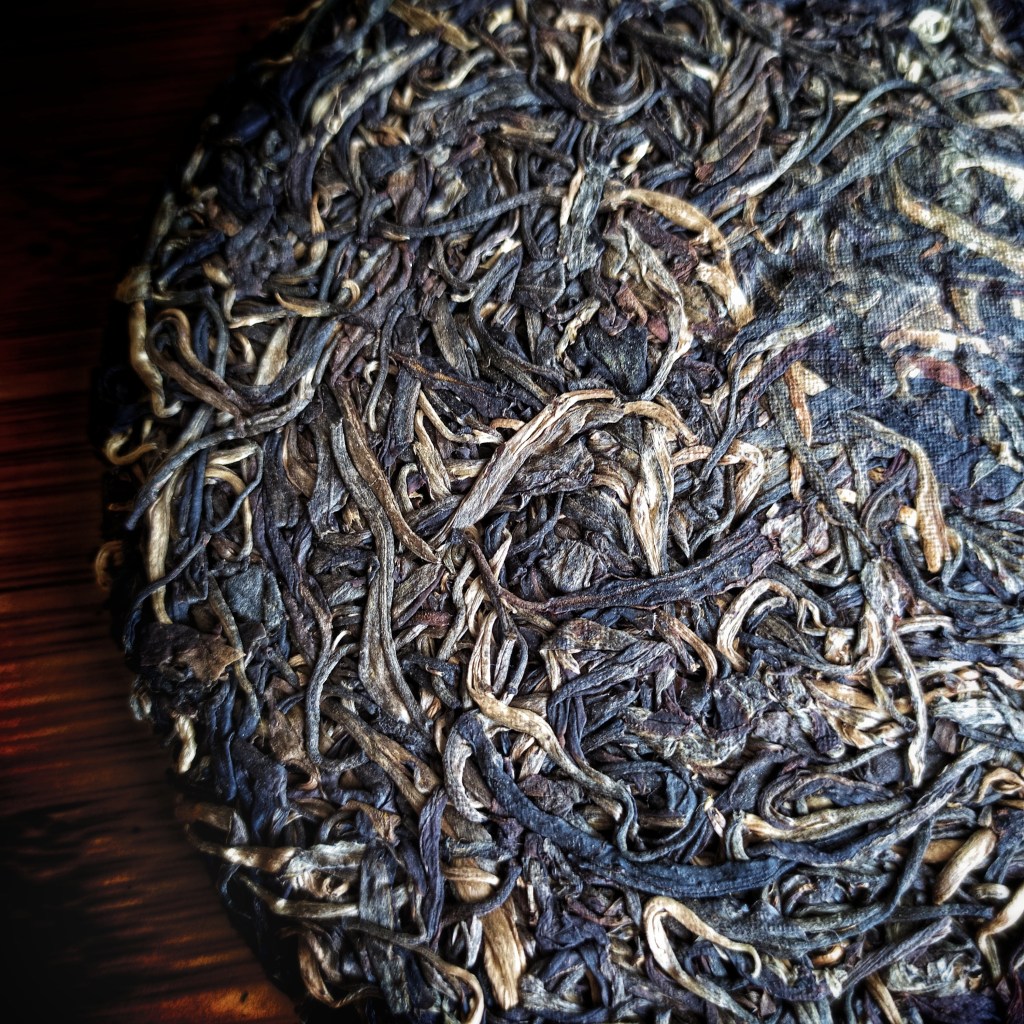
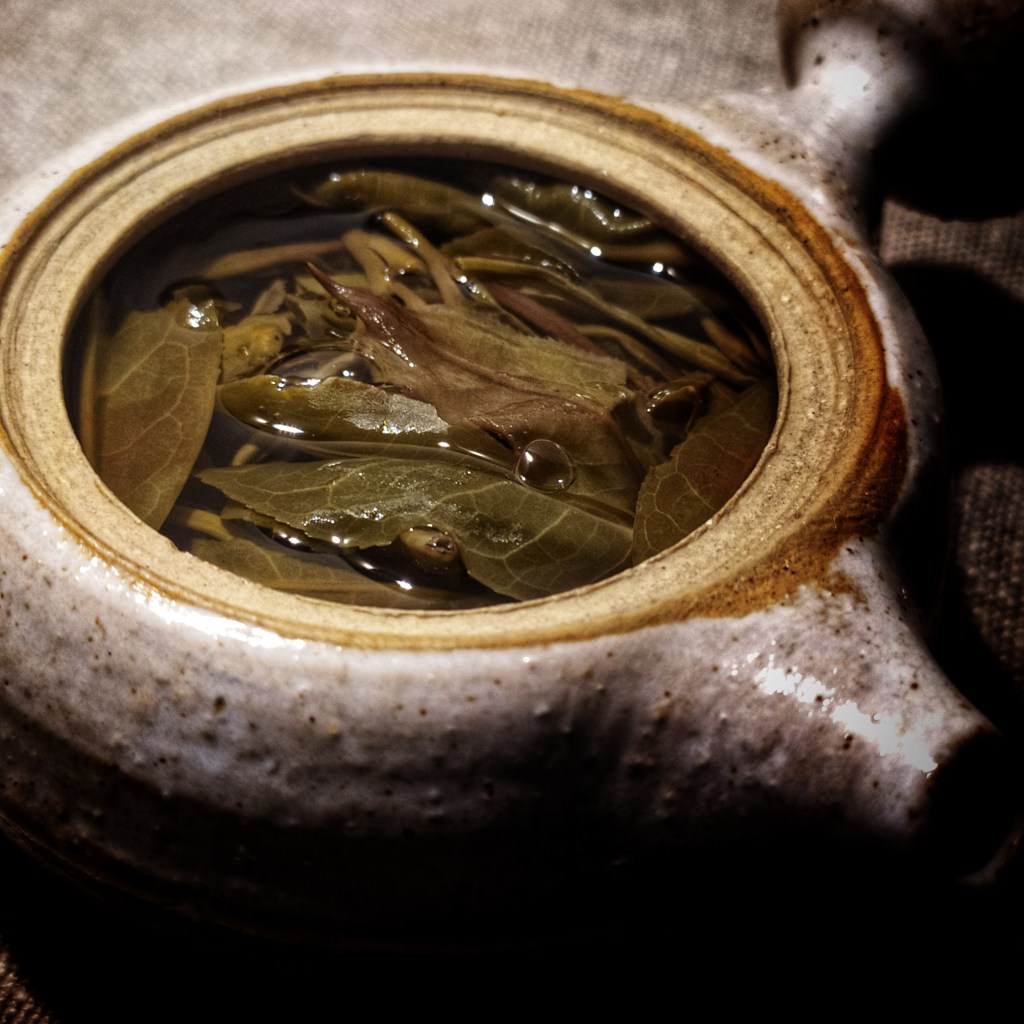
This tea, the @sevenessenceofficial Scorsese was a companion, a ferryman between the days that followed one another without apparent sense. Sipping it is like tasting the truth, it is like watching a painting by Francis Bacon come to life, built with one brushstroke of flesh and blood after another.
With that note of Sacher and cinnamon, of burley tobacco, of wenge, of leather and smoke, it initially presents itself as a dark and gloomy shot governed by soft lighting, with a corner set up for a sweet Christmas, all mistletoe and songs, in a untidy apartment plastered with references to art deco in the hallucinatory New York seen through the alienated and feverish gaze of Travis in Taxi Driver.
When the world seems too hard, when losses pile up and the weight becomes unbearable, tea I believe offers a refuge, which is a greater blessing than we are often granted. It is not an escape, but a return to what is essential, and in its cheering sip pervaded by the aromas of condensed milk, apricot, vanilla and chocolate is what this tea embodies, it is like us, it resists, it keeps us standing, it appears in our lives like diegetic music, as that stranger who suddenly puts on a swing piece in a now-dimmed room in the middle of a bad night, convincing us to give life a dance once again.


 Wild Harvested