
People gathered at the Shankang festival, their predecessors were honored, the offerings placed at the foot of a distant past in which every year the memory revived. It was an occasion to dance, to be involved in a moment when time seemed to stop, saturated with a sense that was difficult to translate into words, where society was reconciled and perfected, new relationships were woven and in the dance a harmonious idea of freedom and order was restored.
The intense emanation of life was palpable also through the negatives of the photographs still hanging to dry, in those images you could see the dynamism of movements, conversations, aspirations, through that dance was reconstituted a kind of social consciousness, a “to be for others” even through the individualism, an assignment of virtue reflected in rhythmic and modal imposition, in traditional customs, in emphasized forms of courtesy, creating a link between distance and proximity, freedom and respect, confidence and discipline.
In an age of collective utopias, among the mountain forests of Wengji flourishes instead the sense of dwelling, tea is evocative of a feeling of belonging, a vital civilization supported by the ability to live for its territory and its history alongside its neighbors, a loyalty to its land and the narration of its importance.
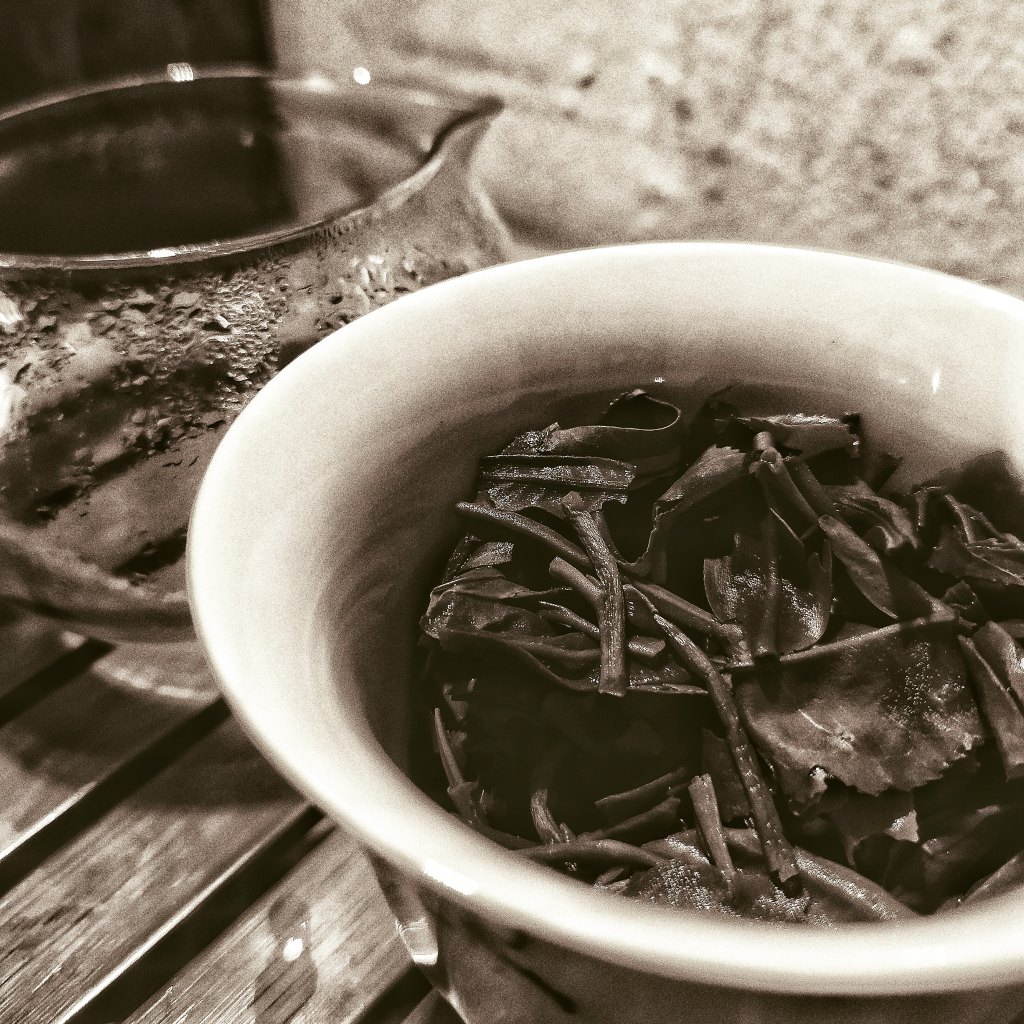
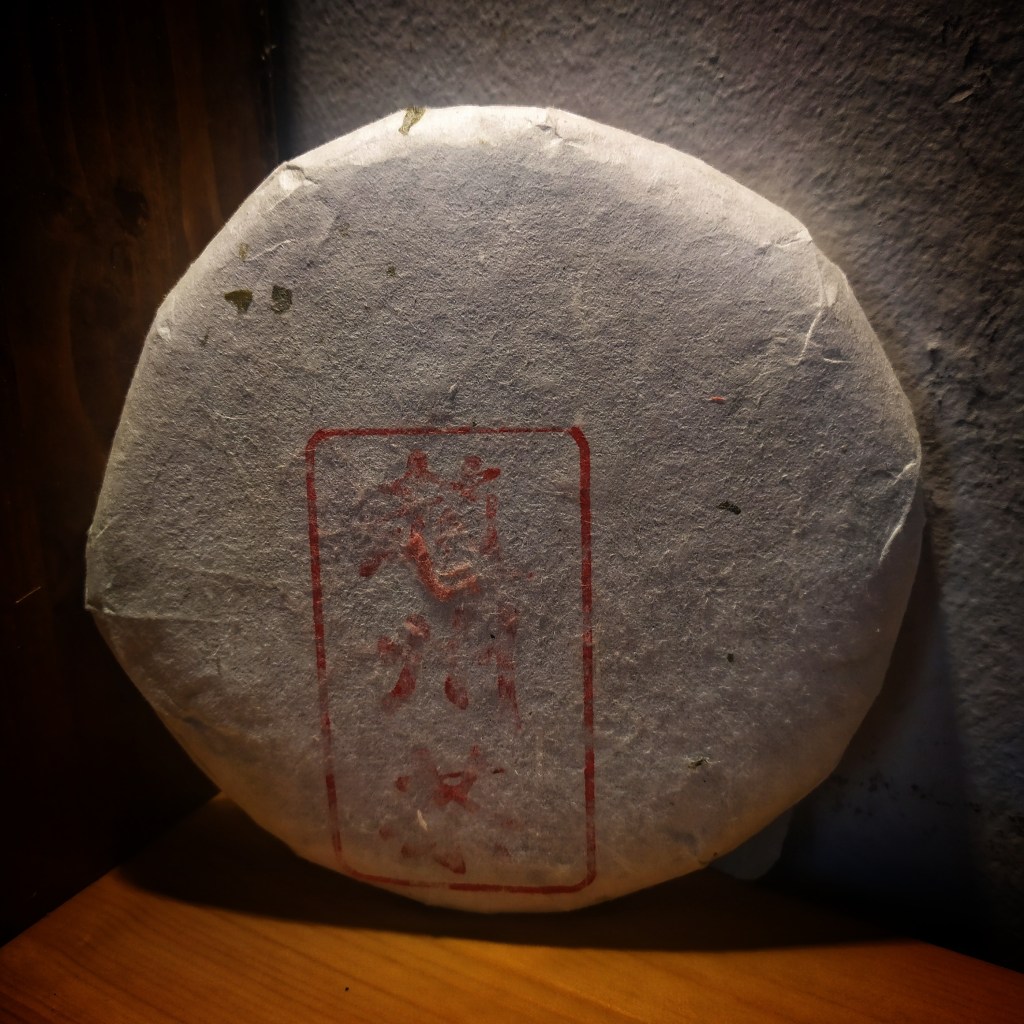
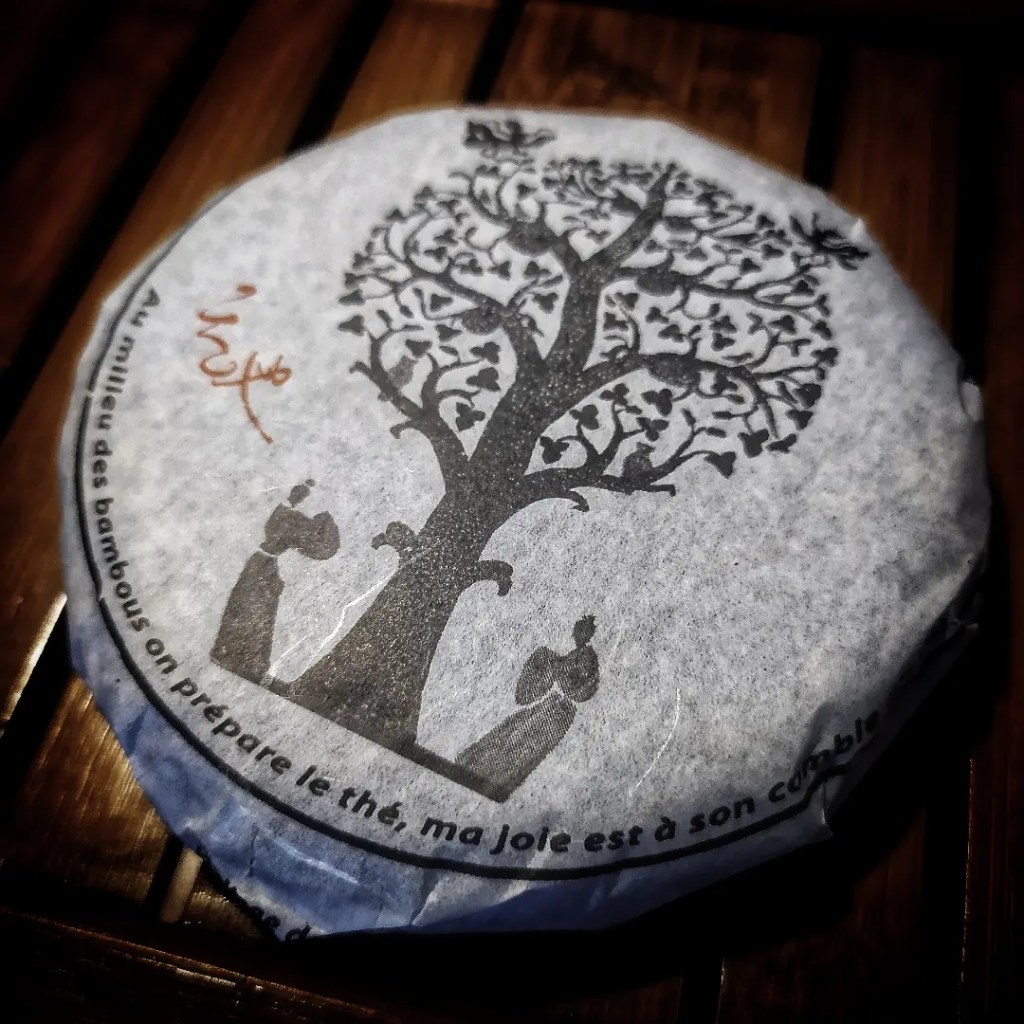
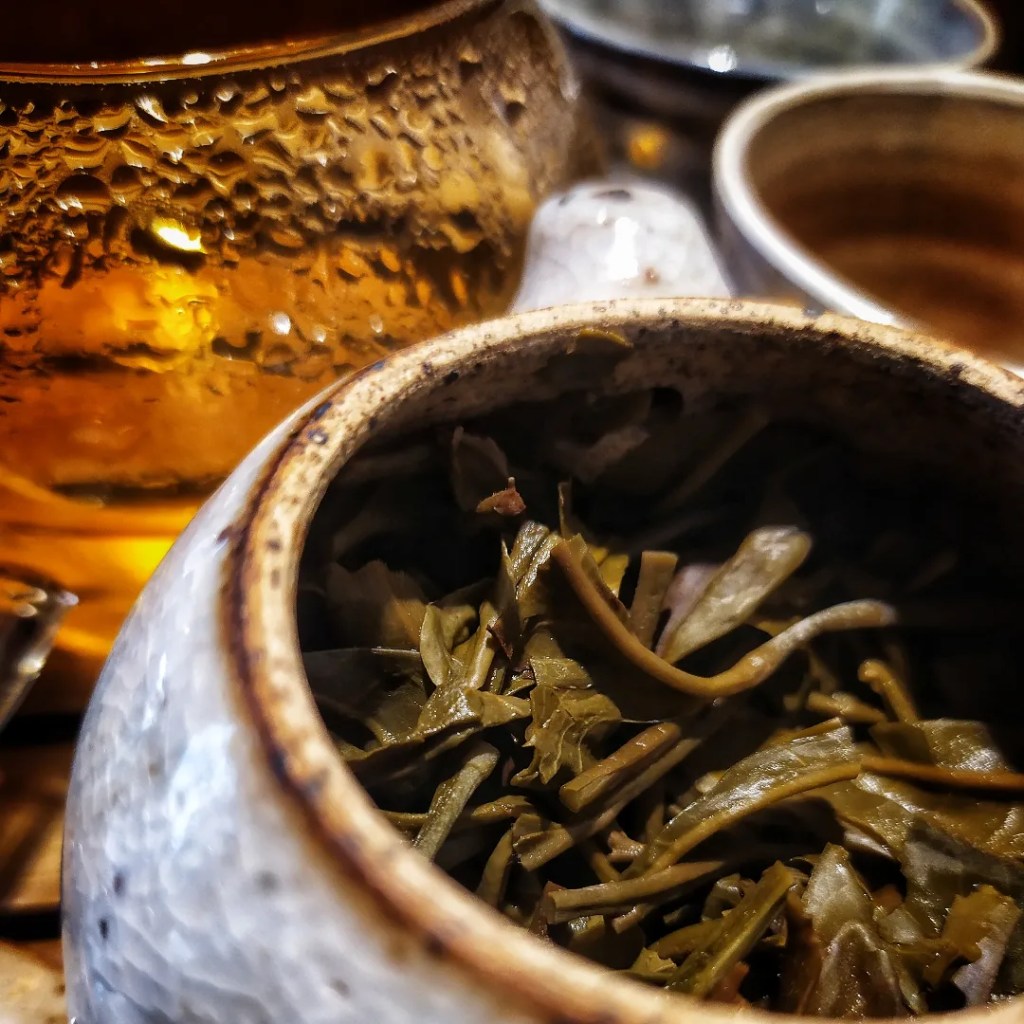
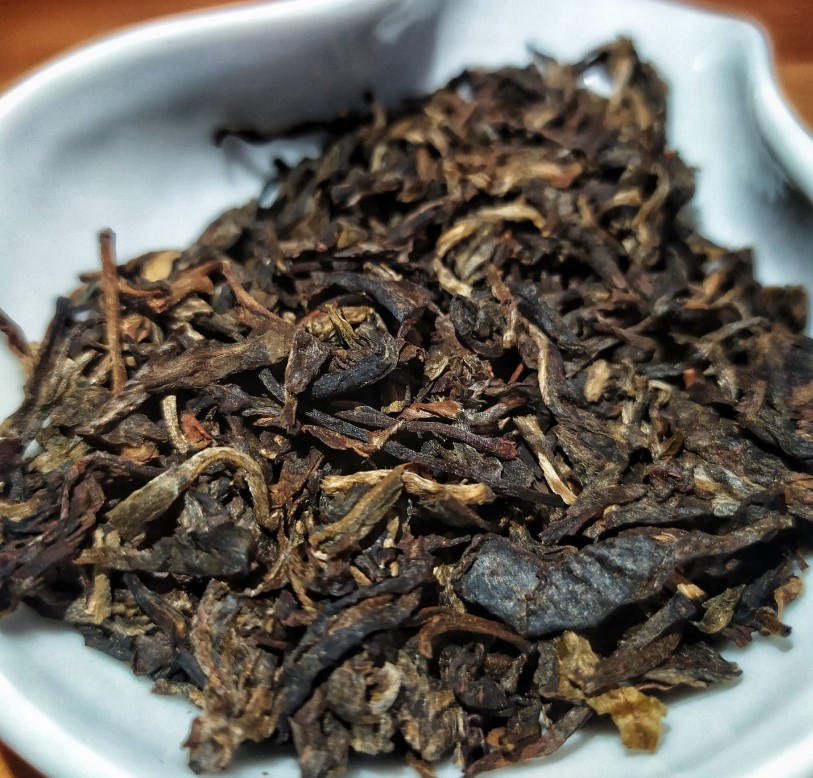
In the gaiwan there is a 2021 Wengji sheng pu from Moychay, a complex tea where the typical character of Jingmai emerges in the notes of honey and flowers, orange peel, caramelized apricot, cooked strawberry and pandolce, with more primitive nuances in the background. The body is medium thick, the aromas direct and defined, the huigan emerges early after the advance of a archetypical and balanced bitterness.


 Wild Harvested