
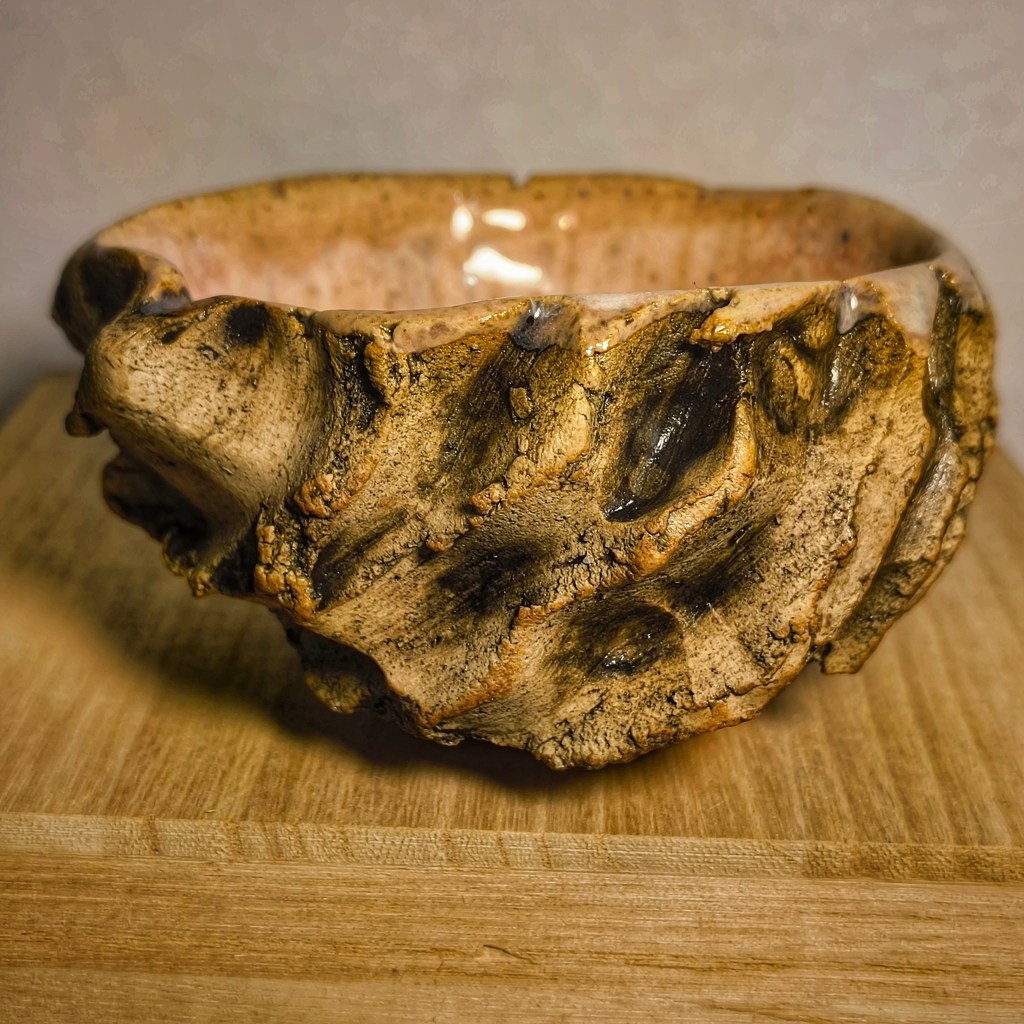
There is a gesture, absolute and primordial, that precedes every form of calculating thought: shaping matter. Before architecture, before writing, before utterances became language, there was the hand that molded the earth, shaping it with generative tension. Instinctive, untamed ceramics, in which function and flair do not yield to any technique, are the manifestation of an art that does not ask permission from aesthetics; it is substance, it exists and consists purely in itself.
To it belongs that rural spirit that calls for a necessary return to a time when not everything had to be polished, constrained by automation. It offers itself to the kiss of flame, to the intimacy of fire, whose tailor is alchemical chemistry; within it dwells man, not the perfect one, obsessed with premeditated thought, but the one who falls, who errs, who returns to the earth to reclaim his material condition. It is a reminder of the human, of a beauty that does not stubbornly seek to appear as such; a silent resistance to homogenization.

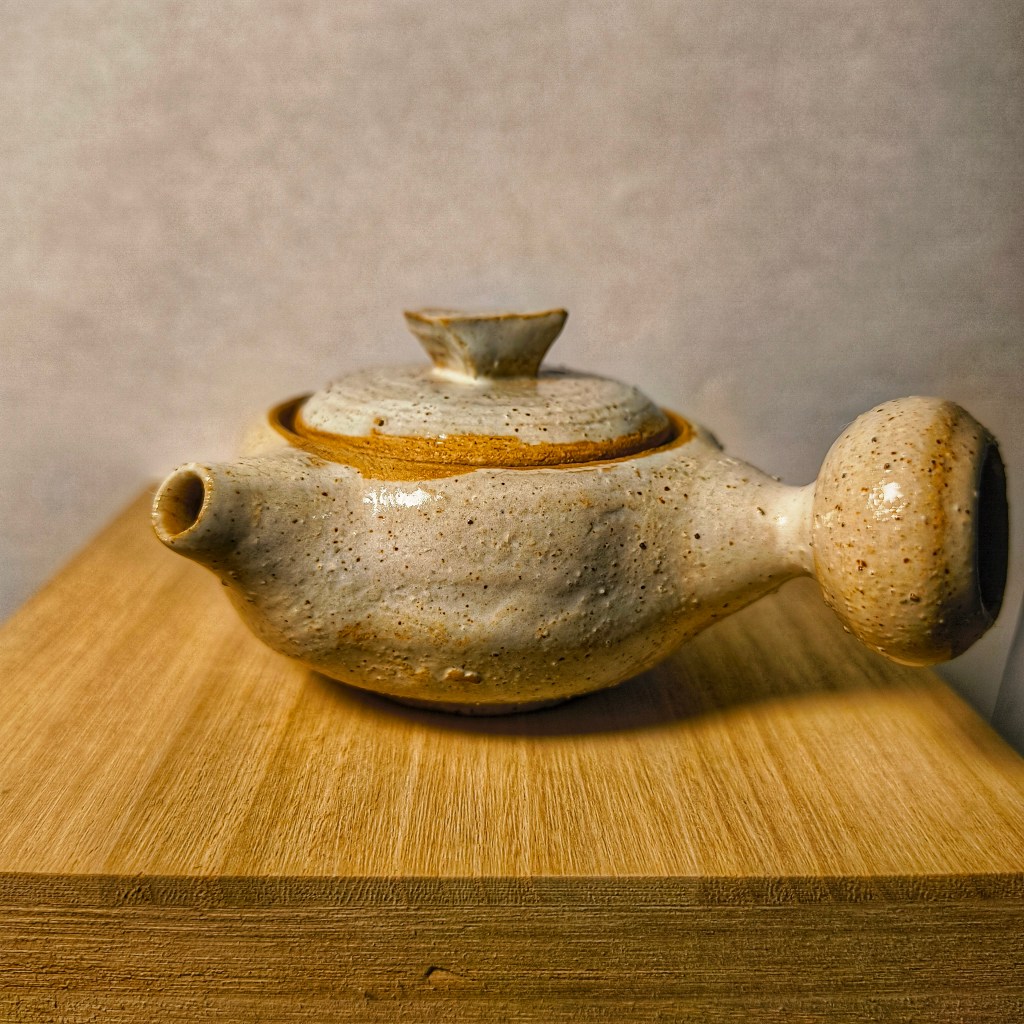
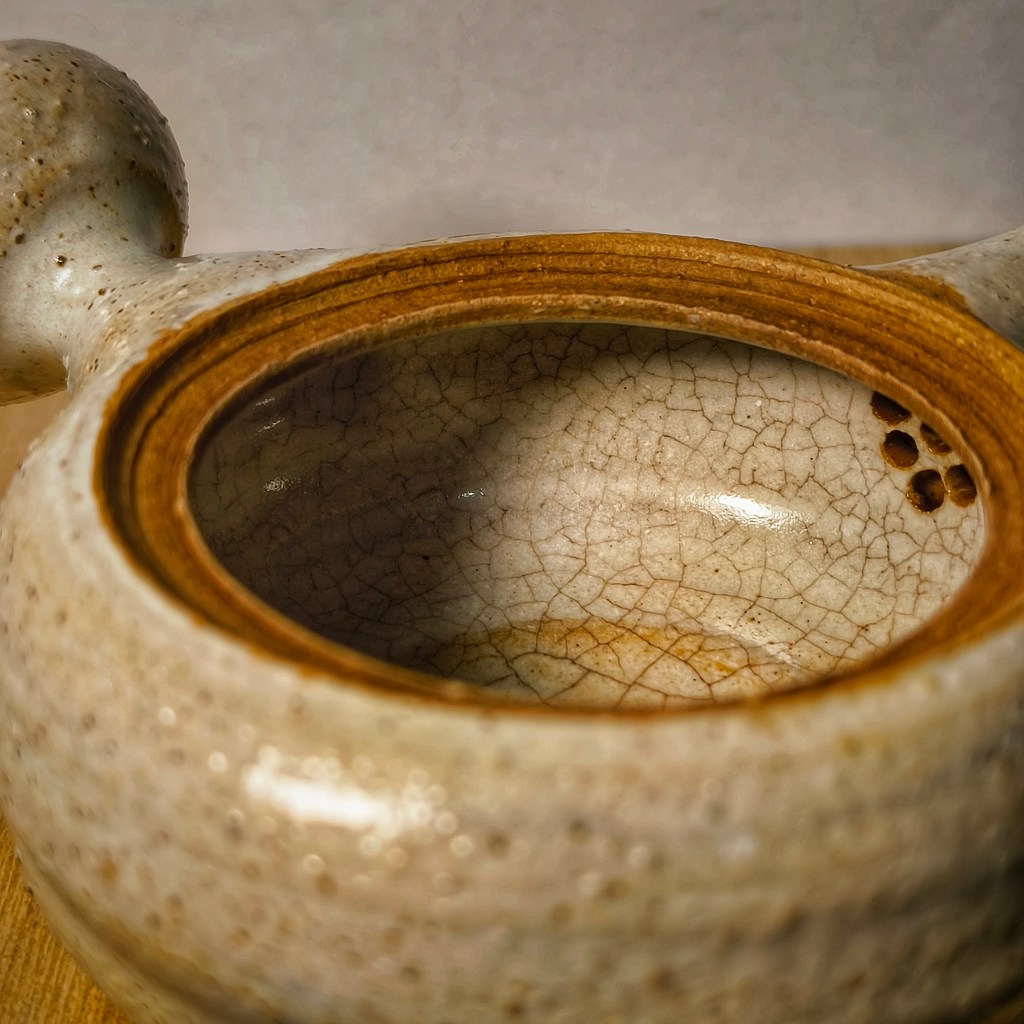
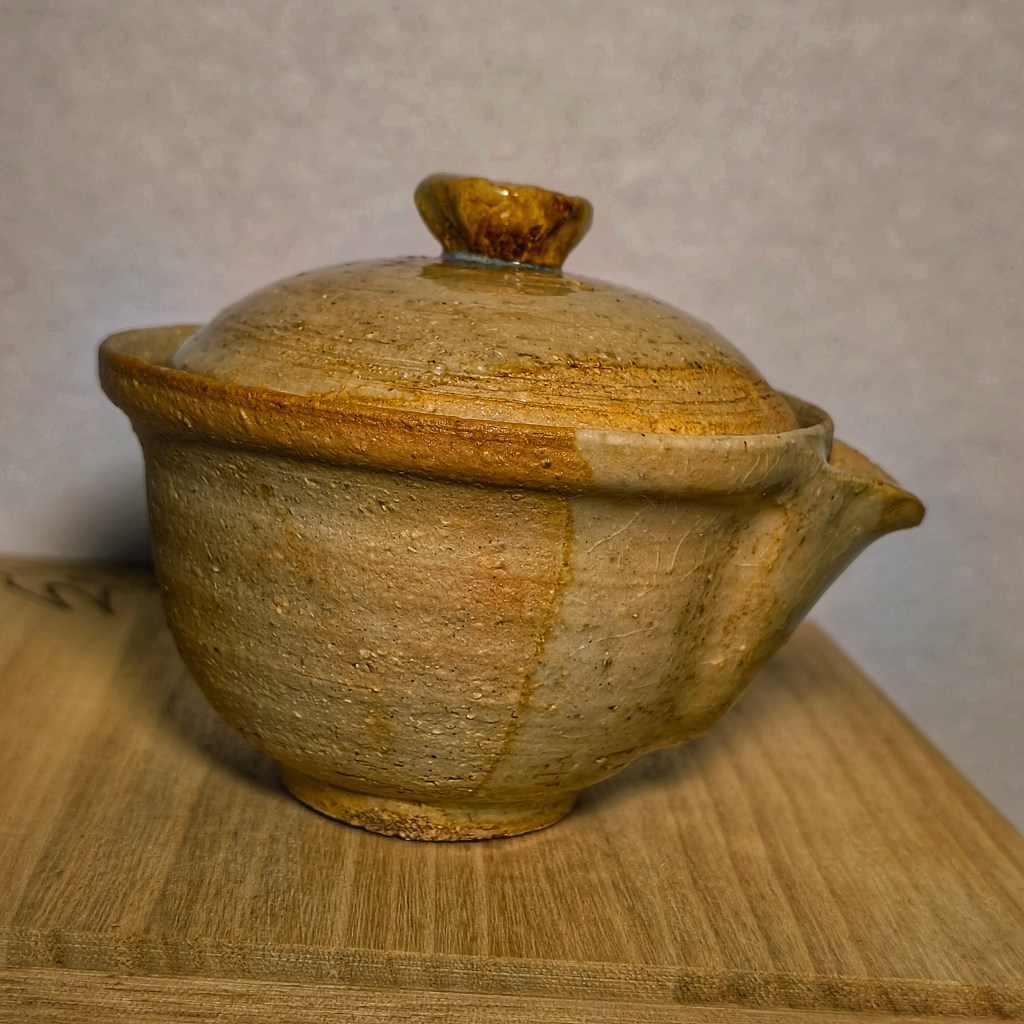
Nonetheless, I have often reflected on this way of making ceramics, trying to understand the phenomenon of instinct. And through this exploration, I’ve come to realize that contemporary wabi-sabi has nothing to do with this kind of spontaneity. The more I observe the work of true artists, the more I see how the term wabi-sabi has taken on mostly derogatory connotations, an aesthetic shortcut. I’ve seen a flood of pseudo-artists making so-called “wabi-sabi” ceramics, with imperfect forms, teetering between the amorphous and something regurgitated by an earthquake, claiming to tell stories of “the art of imperfection.” But there is no story. Only form. Only matter. Even more sterile than mass production. Just an attempt to sell incompetence.
But the ceramics of Damian Piątkowski, Jiří Lang, Jiří Duchek, Andrzej Bero, and Jan Pávek are completely different. In Eastern Europe, a movement has emerged, led by these great ceramists who celebrate the unrepeatable, the uniqueness of creation, its original matrix. While in China, perfectionists like Wu Haoyu and Wang Shi Jun, legends of Yixing like Zhou Dingfang, Yuan Weixin, Yang Hui Ying, or of Jianzhan like Chen Xu, Lai Yun Ping, Xiong Zhonggui have risen to prominence, Europe, too, has now undoubtedly reached greatness, albeit in a different way.
The unpredictability of the result takes on a new form, a recovery of physicality and of the body, not only in its imperfection, but in its symbols, in its meanings.
The ceramics by Damian (clayoncy) that you see in the photo embody all of this: not a regression into some ancestral making, but a conscious position that places the human-matter bond back at the center through a pre-ontological dimension of form, offering a radical alternative to mere artifice and the reproducibility of shapes, reconstructing not only perspectives and objects, but entire ways of experiencing sensibility and inhabiting the present.
 Wild Harvested
Leave a comment